Top: A drone picture of a forest in Grand Gedeh County. The DayLight/Samuel Jabba
By Varney Kamara
POUH TOWN – Local cocoa farmers in Grand Gedeh County manipulated signatures in an appeal letter to President Joseph Boakai, rejecting boundaries between their communities and the Kwa Proposed Protected Area, a DayLight investigation found. The investigation established that the letter was based on falsehoods, as some had already agreed to the proposed park’s boundaries.
Late last month, farmers from the Gbarzon District wrote to President Joseph Boakai, claiming forestry authorities did not seek their consent before cutting the boundaries. They allege that they signed no MoU and there was no guarantee they would have access to their farmlands. They had been intimidated, their properties destroyed, and forest rangers made unauthorized entry into their communities.
For this reason, the farmers want the proposed park’s boundaries pushed to 10 kilometers. President Boakai then ordered an immediate investigation into the matter. Official talks took place last weekend as part of the presidential inquest.
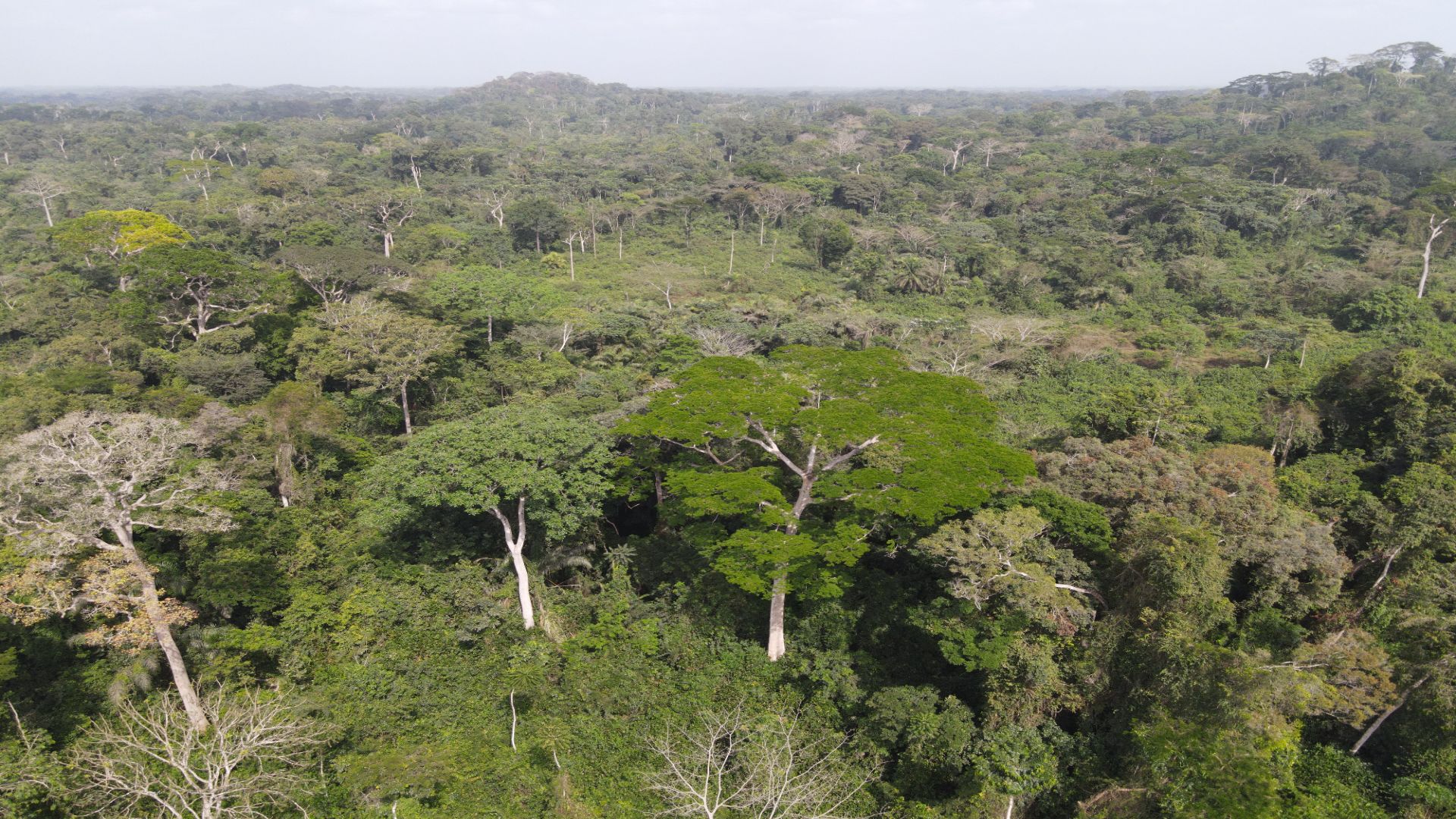
Covering 172,200 hectares, the Kwa Proposed Protected Area lies between River Cess, Sinoe, and Grand Gedeh Counties. It is part of Liberia’s efforts to protect 30 percent of its forests and contributes to the country’s climate commitments.
An ‘error’
The DayLight reviewed the appeal letter, interviewed some of its signatories, and found inconsistencies. Reporters found that although the letter to the President lists 16 signatures, only 15 people actually signed it. Abednego Zweh, a farmer from Pouh Town, where most of the appealing farmers live, signed twice.
George Totaye, another Pouh Town farmer, said he did not sign the letter.
“I personally cannot remember signing any petition. I cannot remember signing that communication,” said Totaye. “My farm does not extend on that side. I am not close to the park. I am not part of them.”
Zweh insists Totaye signed the letter, but listing 16 signatories instead of 15 was an “error.”
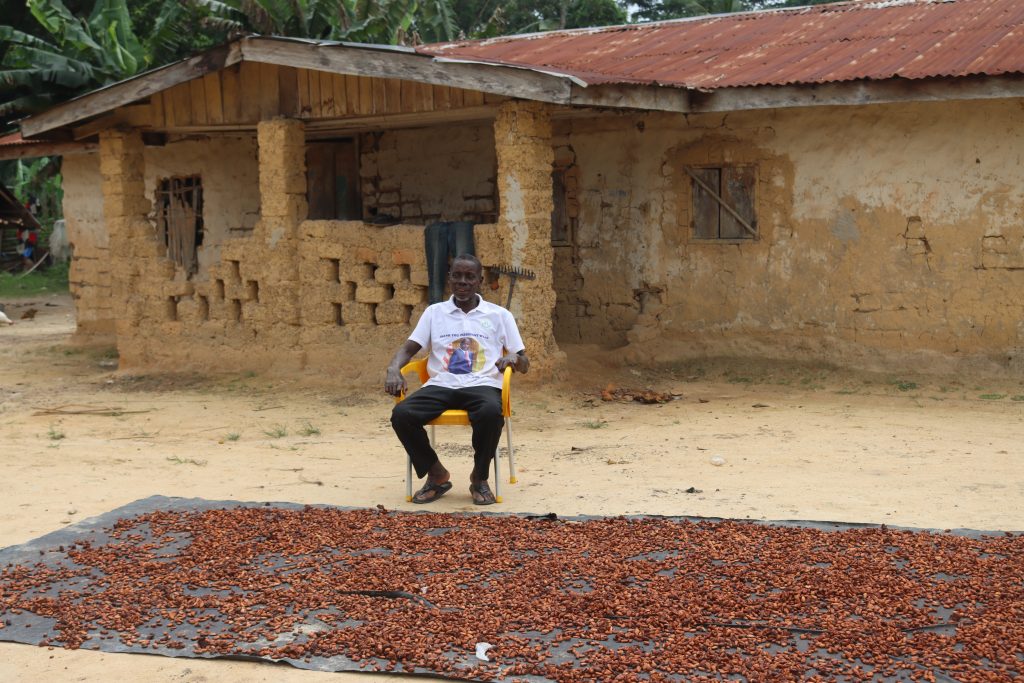
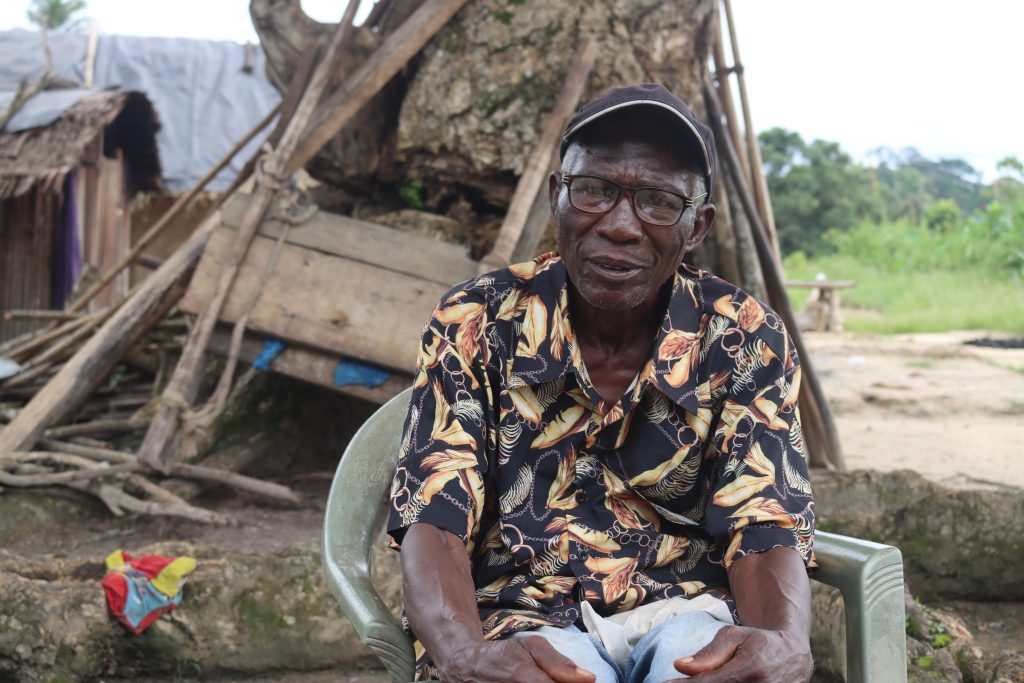
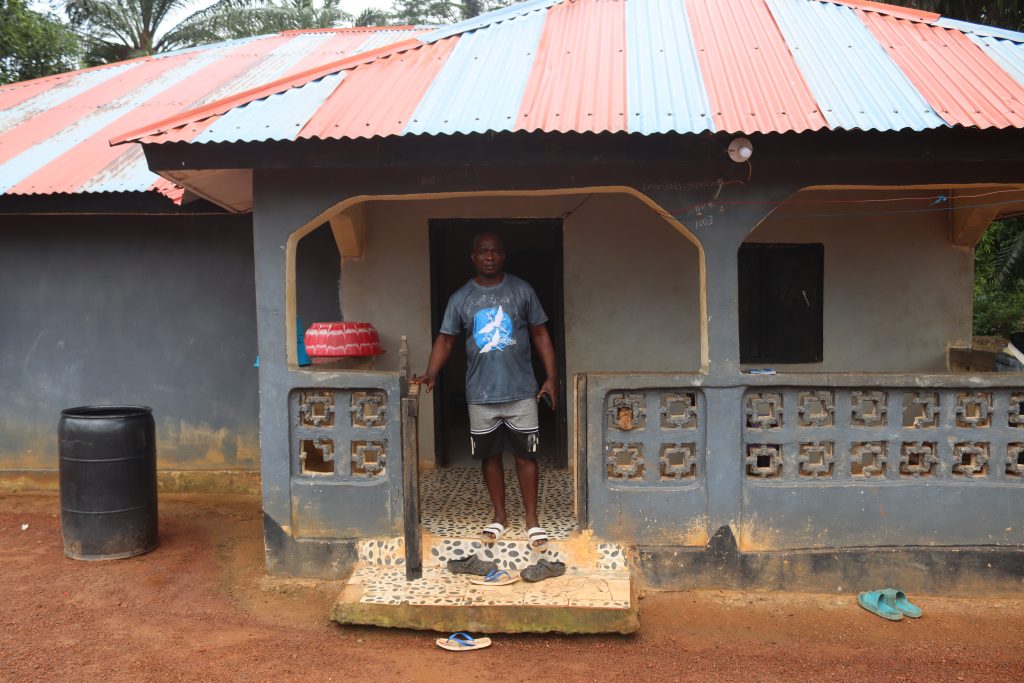
Several of the 15 cocoa farmers who wrote the appeal to President Boakai had consented to Kwa in 2023. They told The DayLight they hosted between two and 10 Burkinabés. Dixon Roberts (six Burkinabés) of Tojallah signed. Tommy Yarkpawolo (two) and Garretson Seo (10) of Goluay signed.
There were other inconsistencies regarding the farmers’ appeal, though. Last year, the communities signed a boundary harmonization agreement with the FDA and partners, confirming the 2023 boundary. Then early this year, the clans that host the communities signed agreements with the Liberia Land Authority, confirming the boundaries.
The DayLight also noted one more issue. Pouh Town, where the majority of the farmers live, is not among the communities adjacent to the proposed park. It is 19 kilometers away.
The farmers admitted signing the consent forms. However, they claimed they were unaware of any boundary demarcation.
“We agreed for the park to be created, but we never agreed on any boundary issue, and we did not take part in any boundary demarcation exercise,” said Yarkpawolo, who has a three-hectare cocoa farm in Gaye Town.
“During our previous meetings with the FDA and the Wild Chimpanzee Foundation, we agreed that they would come back to us when they get ready to cut the lines. But, to our surprise, we only saw them destroying our crops,” added Yarkpawolo. His comments reflect the general view of farmers The DayLight interviewed, including those who did not sign the letter to Boakai.
But the facts contradict the farmers’ comments. The documents they signed show that they agreed to the boundaries, among other things.
“Our town confirms that since 2020 the FDA, LLA and partners have been holding community consultations and meetings to keep us informed. Our town confirms that as part of the boundary harmonization process, the boundary line was trekked by designated community members, local authorities, and relevant institutions, and all grievances were resolved,” read the consent document Yarkpawolo and other townspeople signed in Goluay.
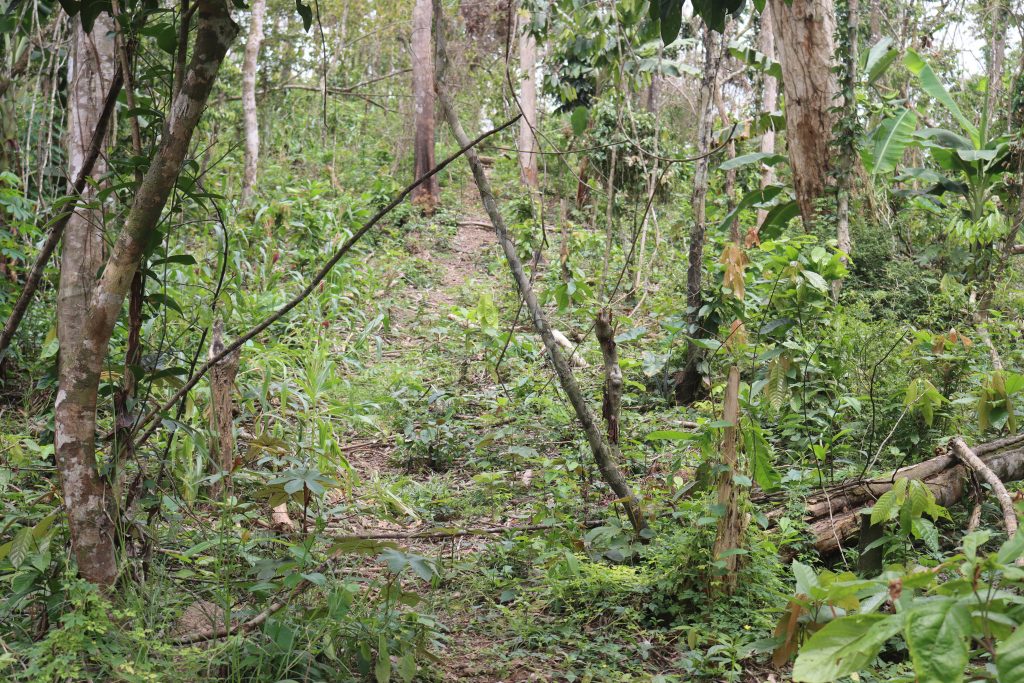
Apart from the consent form, other documents disprove the farmers’ comments.
As recently as May, community land leaders and clan chiefs signed a boundary agreement with the Liberia Land Authority for the proposed park. In the document, the farmers “fully acknowledged” the proposed Kwa Park and agreed on its “official boundaries.” Also, there is no record of any farmer raising any qualms when authorities published notices about the proposed park between June and August 2023.
Wild Chimpanzee Foundation, an NGO that works with the FDA to establish Kwa, refuted the farmers’ claim.
“From our side, the consent forms were signed by the rightful community representatives in 2023,” said Dr Annika Hillers, Country Director of Wild Chimpanzee Foundation. “The consent forms were about the establishment of the park, the confirmation of the [consent] process, the harmonized boundary, and also, communities committed not to do any farming and other activities inside the proposed park.”
Some youths agree on the current boundaries. “We need reserved forests for our children,” and “Enough is enough,” adorned their posters.
One farmer somehow conceded.
“I think we made a mistake from the beginning as a community,” said Dixon Poya, who lives and farms in Pouh Town. “When the people came with this discussion on the park issue, we were too quick to agree. We should have studied all other conditions that we are raising now.
“In my mind, we should accept what is happening. We can only appeal to the government to have some consideration and redraw the boundary back a little bit,” added Poya.
Under pressure
Dr Hillers also denies allegations of human rights abuses. “We are 100 percent sure that these allegations are false and that neither FDA nor any other law enforcement entity ever violated human rights or did anything not in line with Liberian laws,” she added.
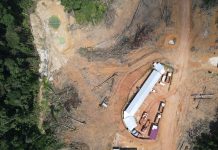
The FDA did not respond to DayLight’s queries while the government investigates the issue. However, the FDA resurveyed the area and found that over 14,000 hectares of the proposed park have been clear-cut for cocoa cultivation.
Over the years, the park has shrunk from 236,246 hectares to 172,200 hectares due to competing mining and logging interests. The farmers’ boundary appeal comes amid cocoa-fueled, nationwide deforestation. Between 2000 and 2020, Liberia lost approximately 2.52 million hectares of tree cover, with cocoa responsible for about 15 percent of that, according to a 2024 report.
Local people smuggle in Burkinabe migrants from neighboring Ivory Coast into Liberia to plant cocoa. An estimated 140,000 Burkinabes have migrated to Liberia in Grand Gedeh and River Gee, according to the Liberia Refugee Repatriation and Resettlement Commission. This cocoa rush has also resulted in encroachments on community forests and logging concessions, leaving deadly land conflicts in its wake.