Home Tags Liberia

Tag: Liberia

Villagers Managing Forest, But Sector Woes Haunt Them

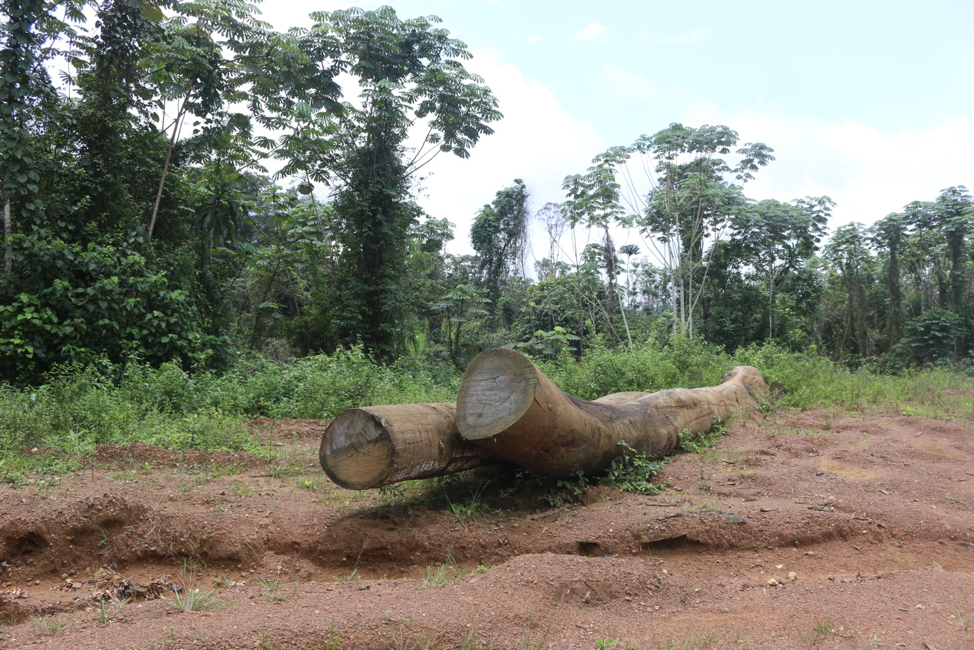
Jo River
Jo River

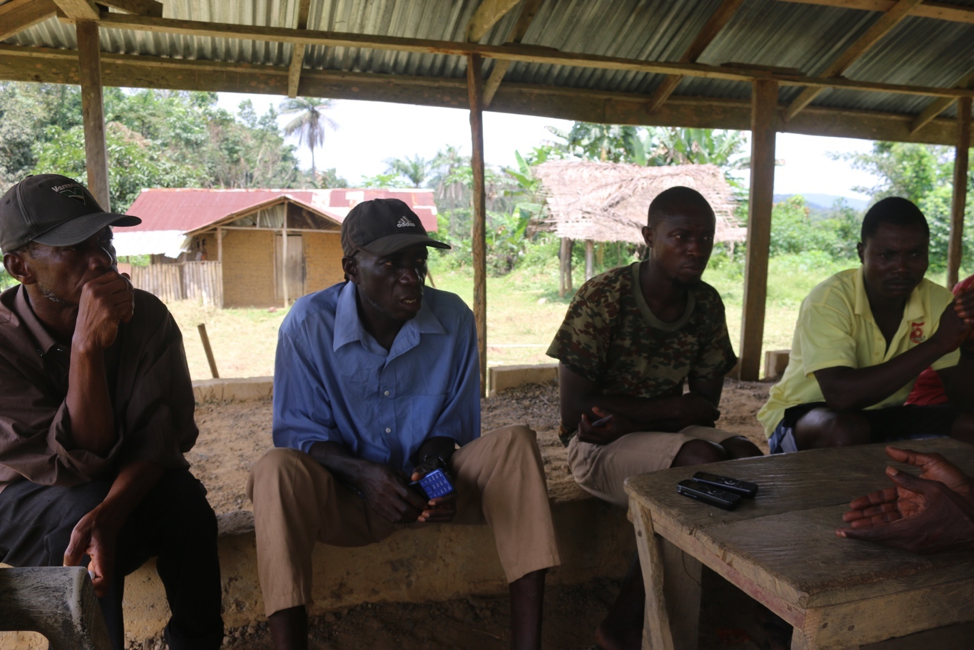
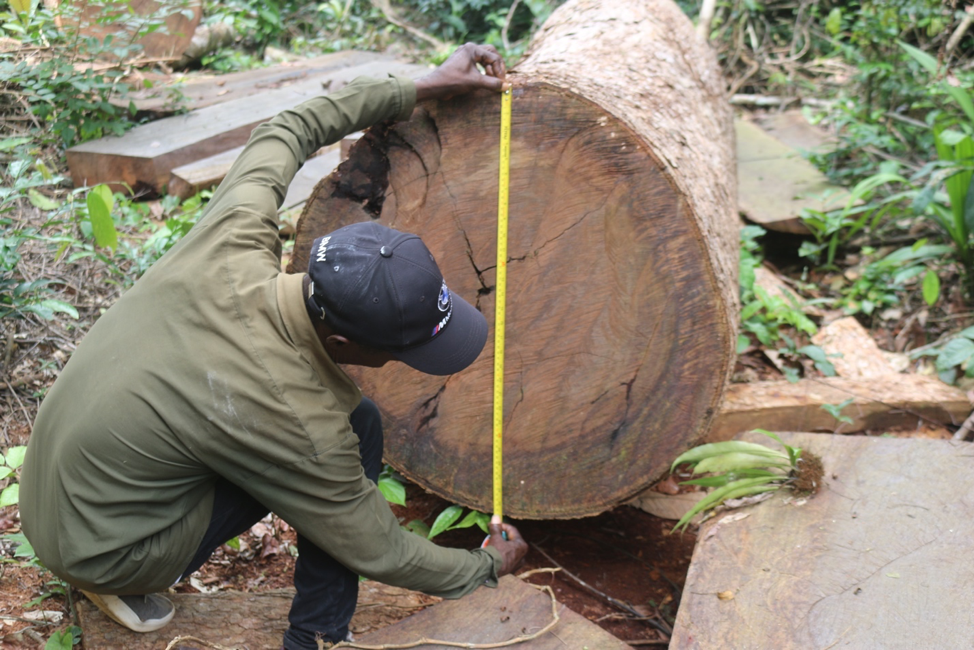
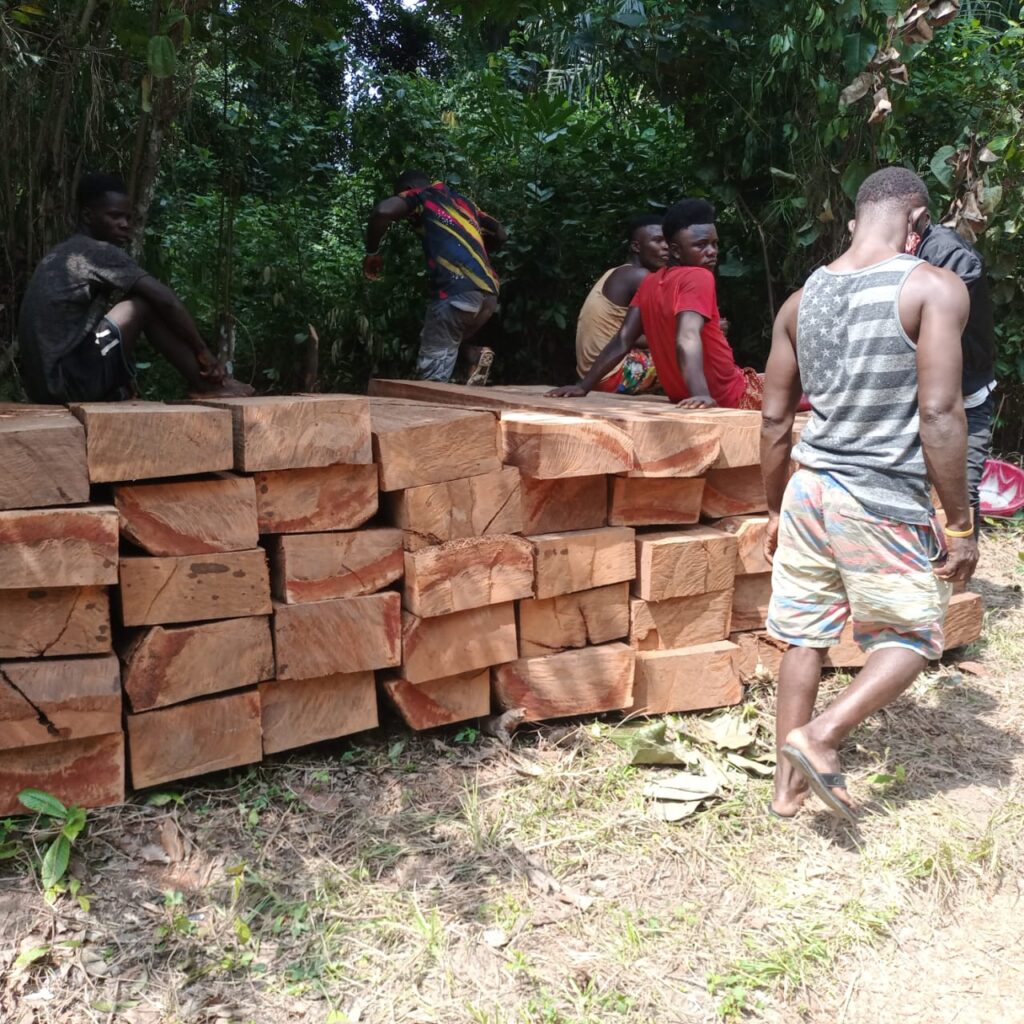
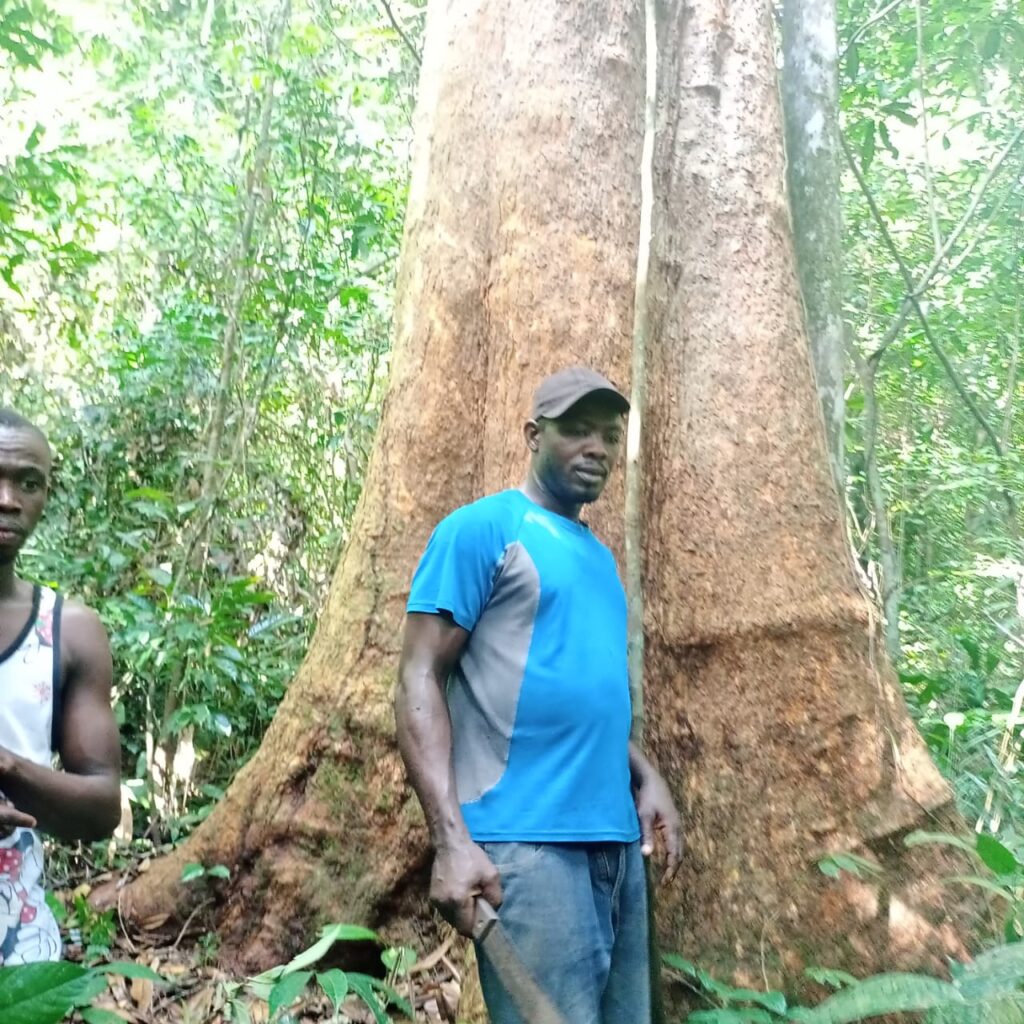
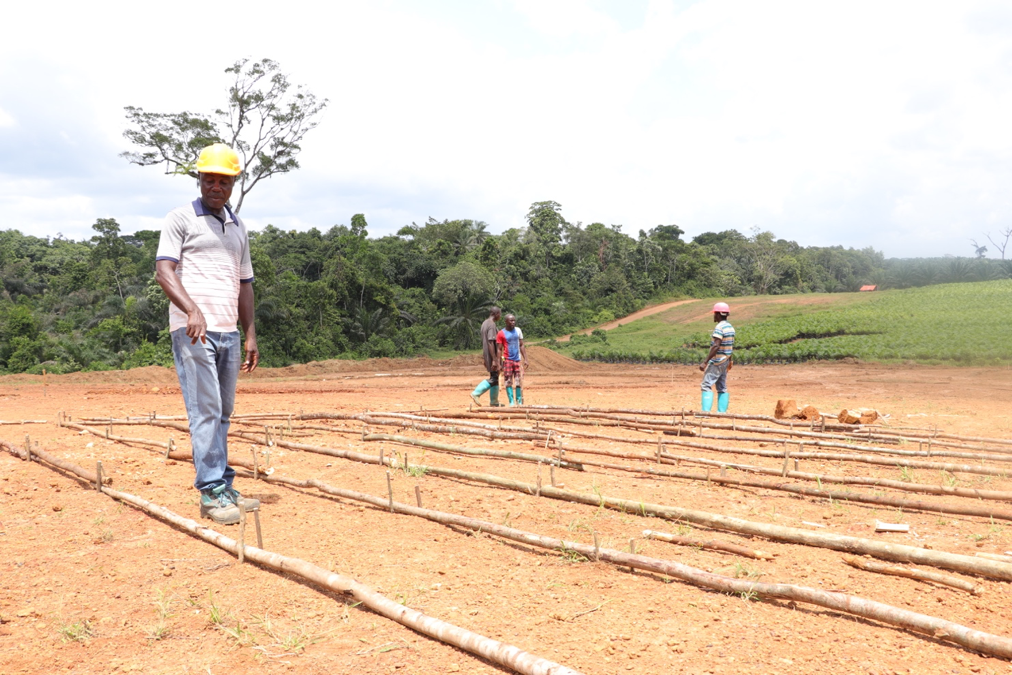
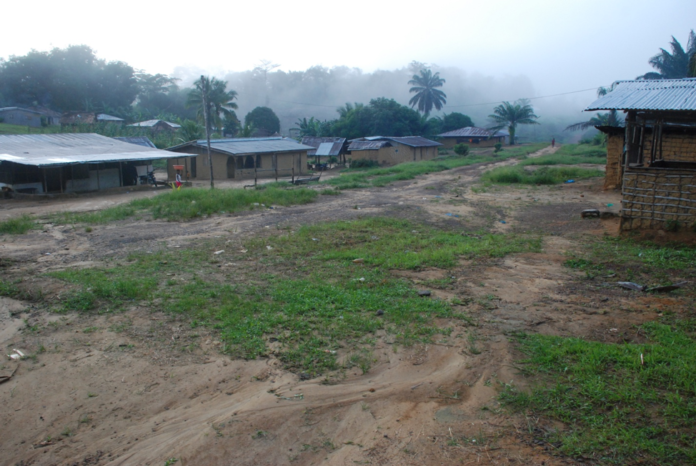
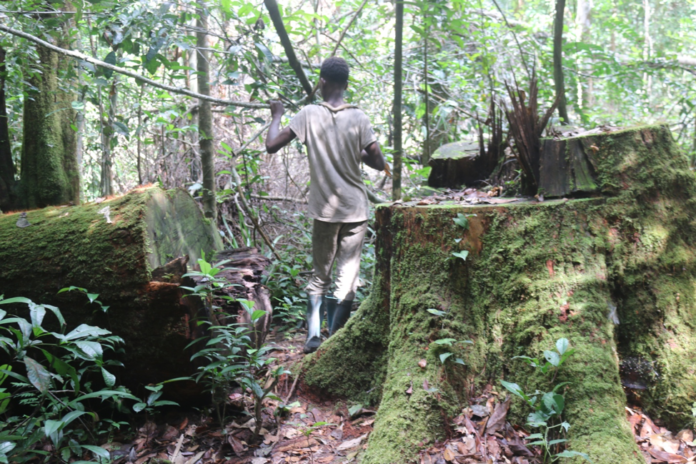
Top: Villagers in Bahn Town, the headquarters of Jo River and Nyorwein Community Forest, are excited they can now benefit from their forest. The DayLight/Emmanuel Sherman


By Emmanuel Sherman

NYORWEIN, RIVER CESS – Throughout the two bordering clans of Jo River and Nyorwein far away in the Central River Cess District, villagers expect their logging agreement with Magna Logging Corporation to bring much-needed development to their community.

The newest among 49 authorized community forests across the country, they have leased their land in exchange for roads, toilets, scholarships and clinics, according to the agreement. Those benefits aside, Magna is required by the Community Rights Law of 2009 with Respect to Forest Lands to pay affected communities for use of their land and each log it harvests in the 39,000-hectare forest.

But their hopes could be dashed, given the nature of the logging industry, particularly, community forestry.  The 12 years of community forestry has been spiteful rather than sparkling for many communities. Forestry Development Authority (FDA) appears to side with companies more. There are reports of illegal logging in several communities.  Companies and individuals are abandoning woods they harvest at an alarming rate, owe communities thousands of United States dollars and the FDA approves new contracts for them.       

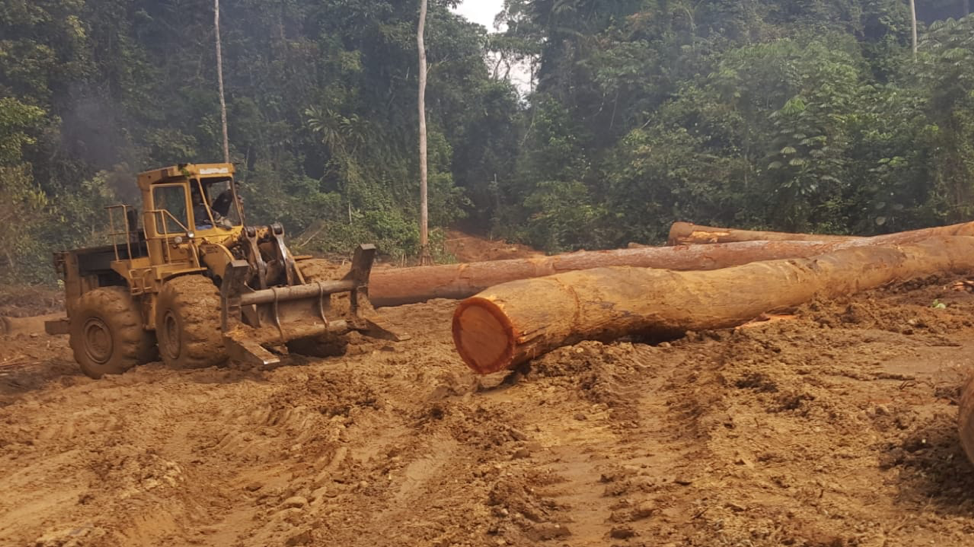
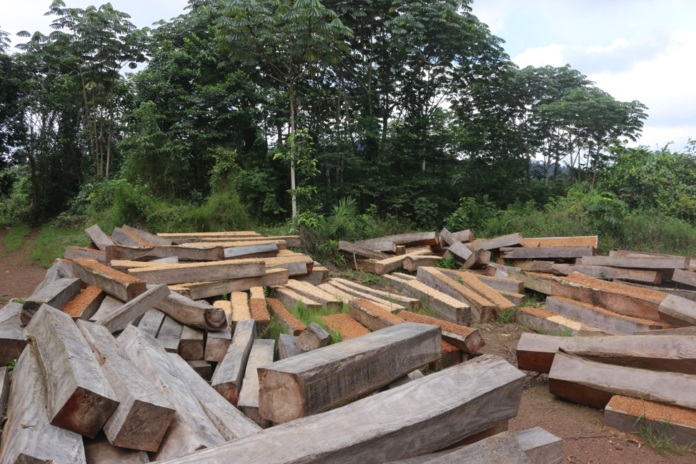
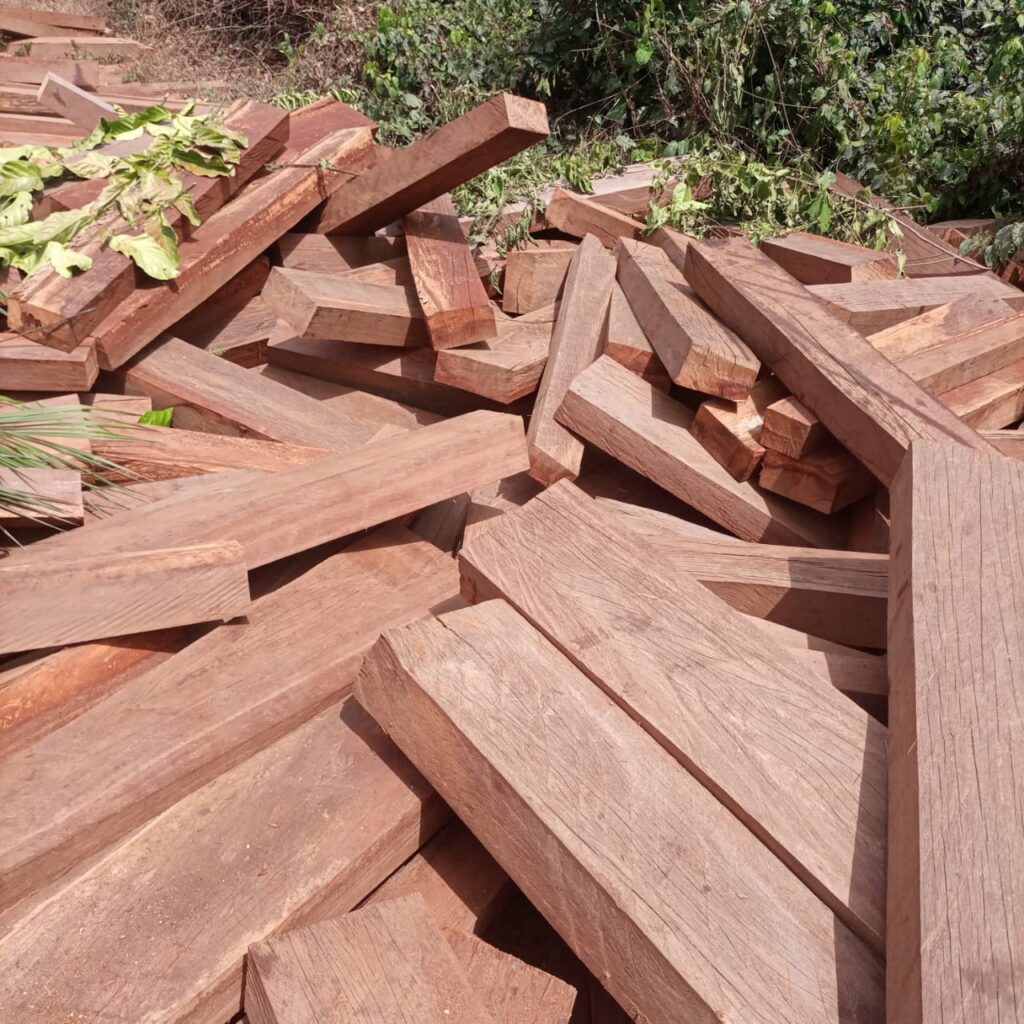
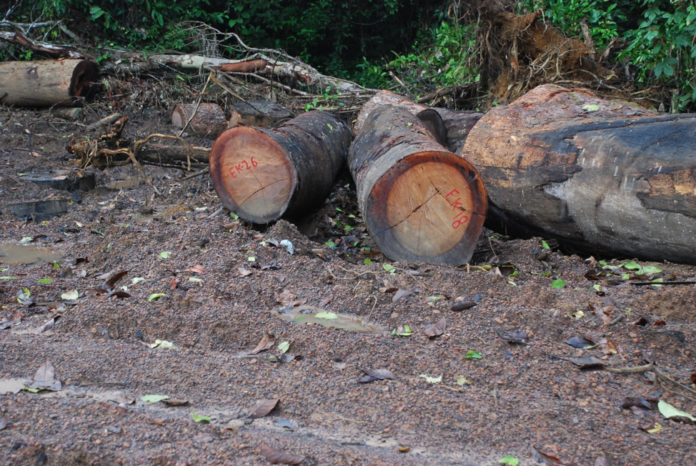
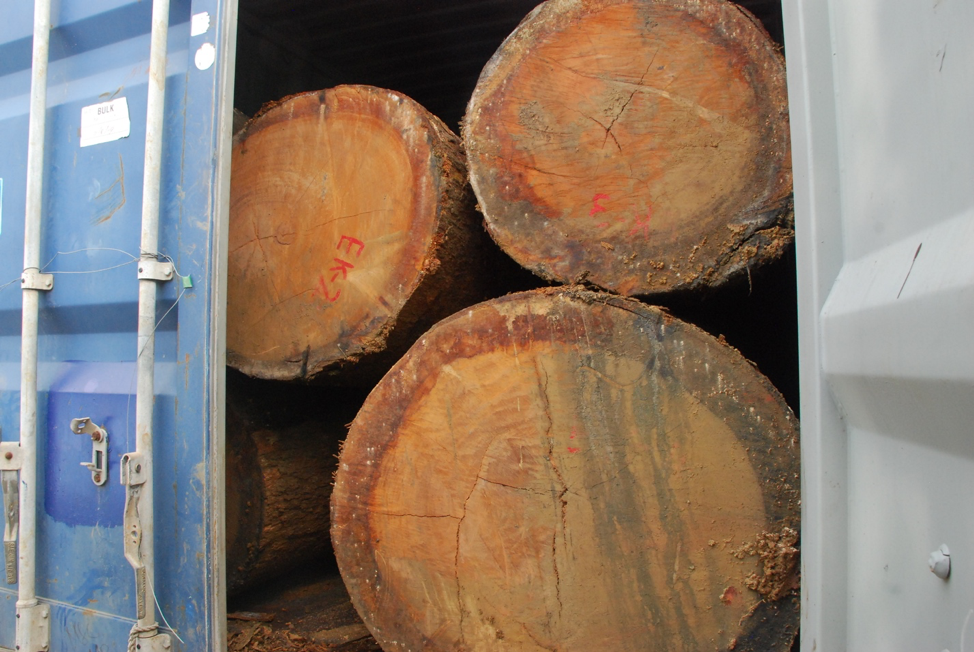
Jo River & Nyorwein does not have to look far for some of these grim examples. Between 2020 and last year,  African Wood and Lumber Company, another logging firm, illegally cut 550 logs in the Gbarsaw & Dorbor Community Forest. The FDA representative responsible for the county was suspended and replaced. It owes that community thousands and has yet to conduct mandatory projects.

Similarly, in Ziadue & Teekpeh signed three years before Jo River & Nyorwein, Brilliant Maju and E&J Investment Corporation have not lived up to their agreement with the community. The company duo has failed to implement projects, sparking protest last year. Following the hostilities, it made a commitment to construct eight handpumps and two latrines in affected communities between September last year to February this year but has not completed them.    

By the way, these industry woes are already at Jo River & Nyorwein’s doorsteps. Before its contract with the villagers here, Magna had not lived up to its agreement with Worr Community Forest in Compound One, Grand Bassa County. (It had paid Worr all its land rental, harvesting and scholarship fees, though.) When it signed the agreement in August last year, the company had not done any roads, still had to complete five handpumps, and had not rehabilitated a clinic it agreed to do by that time.

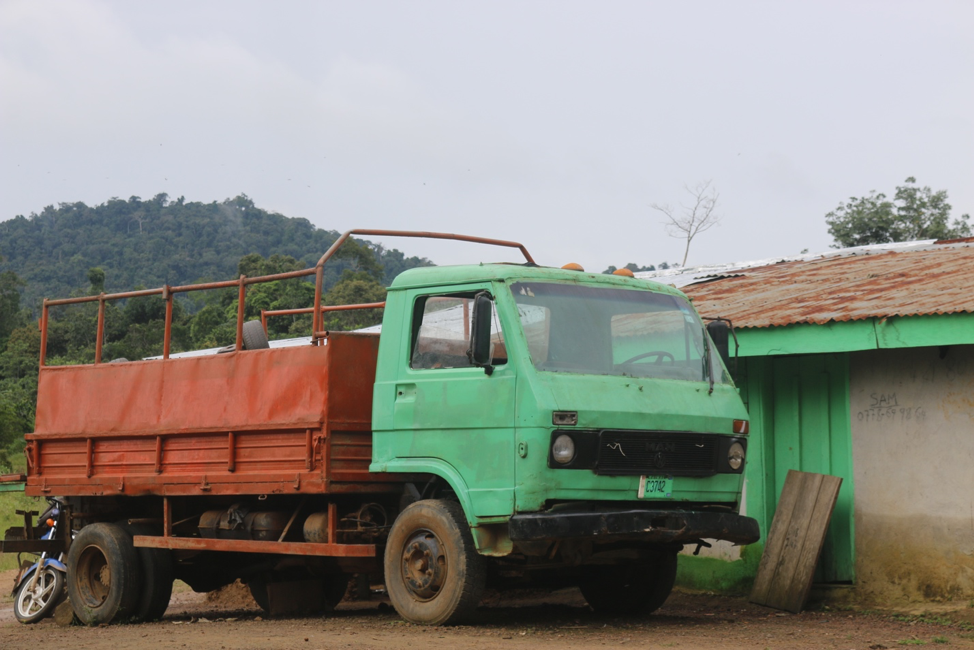
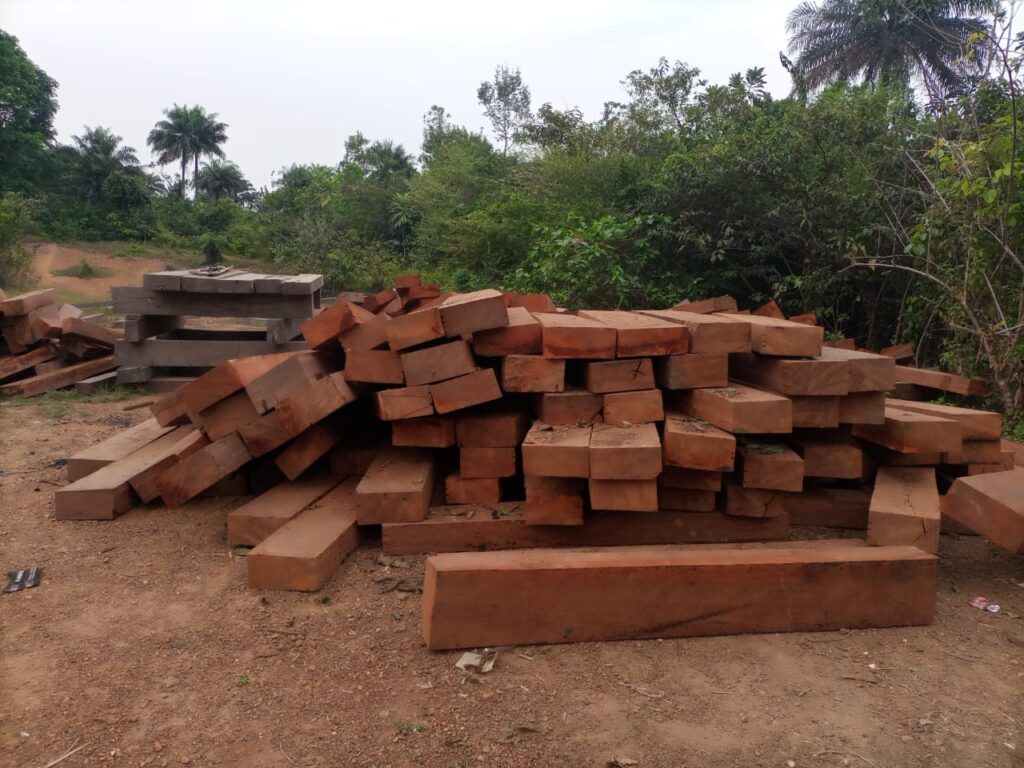
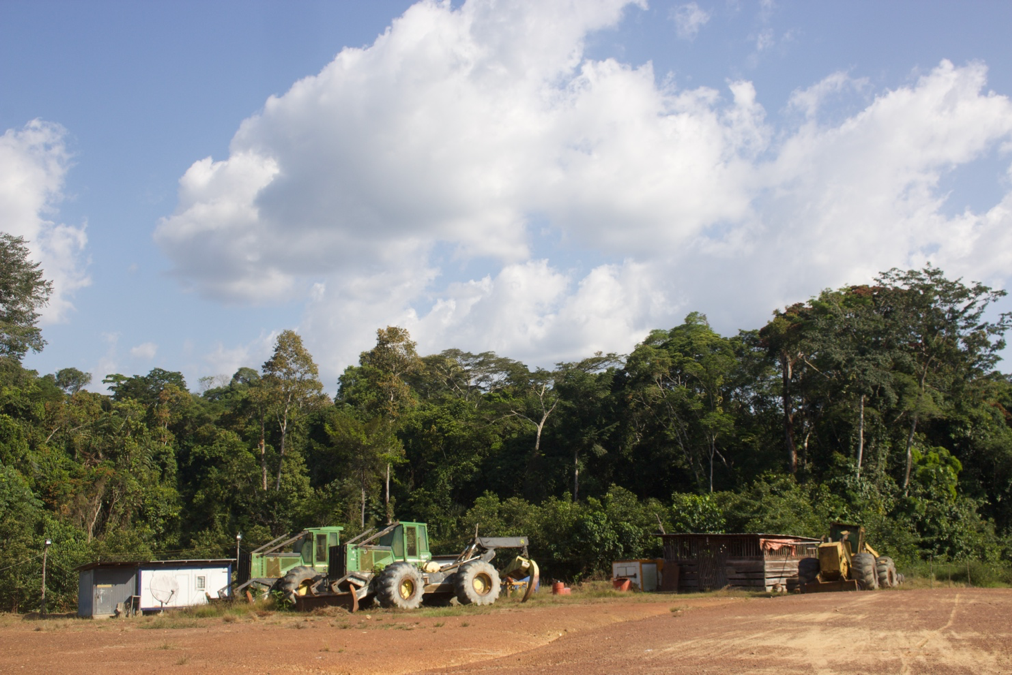
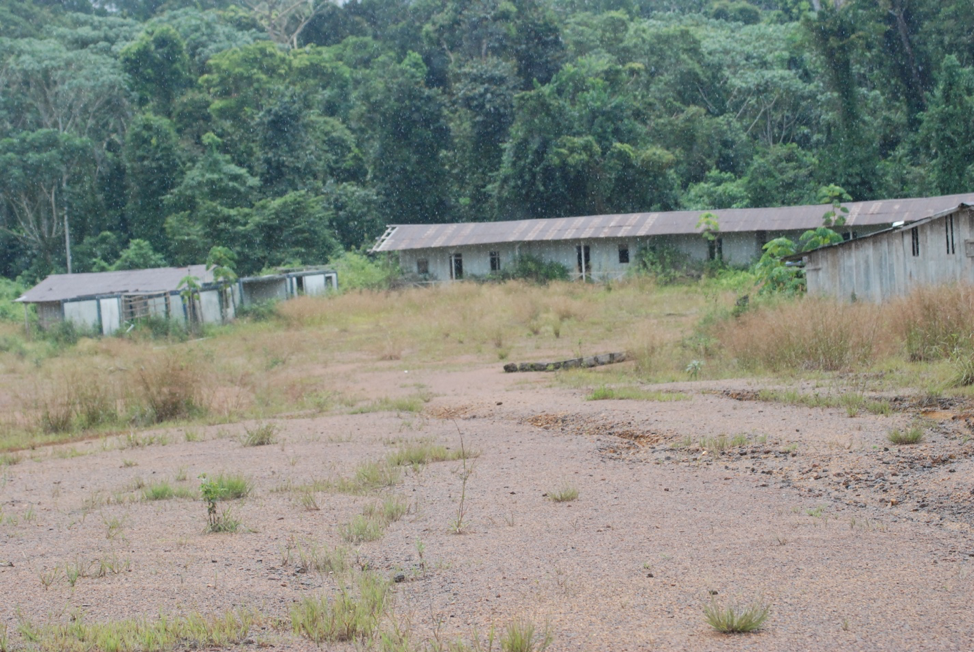
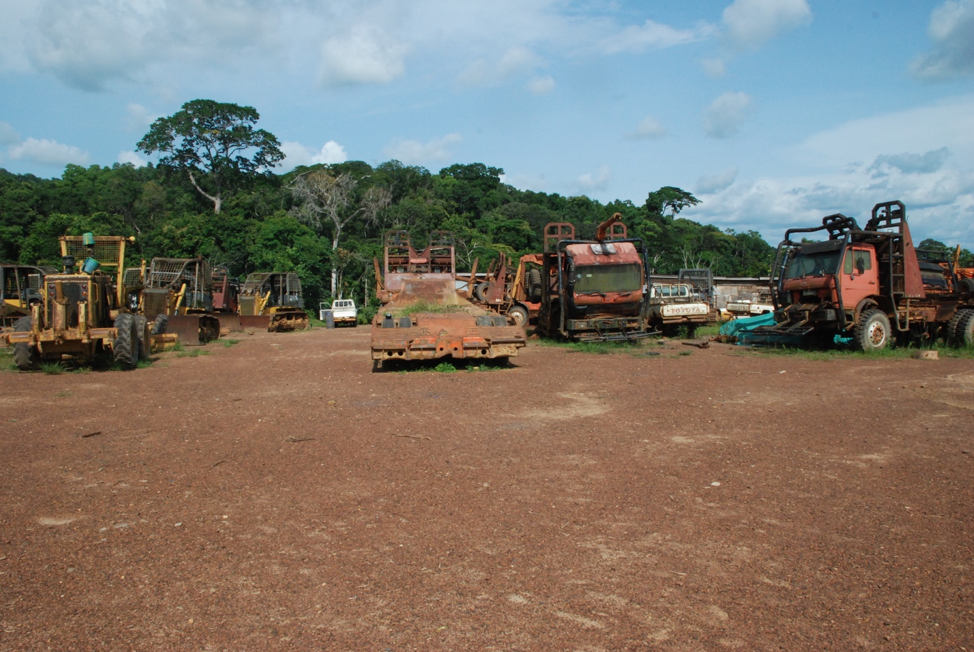
Broken-down equipment of E&J Investment Corporation in Ziadue & Teekpeh in River Cess. The DayLight/Emmanuel Sherman

Magna is also in breach of its contract with Jo River & Nyorwein. The company has yet to begin operation since signing the agreement in August last year. It also has not paid its land rental fees of US$26,105 to the community. It has not done a major road leading to the forest, something locals consider a priority, according to the agreement.  

“We really need roads, where there is a road there is life,” says Philip Ben, one of the community’s leaders in an interview with The DayLight in Buchanan.

“Since we signed the agreement last year, we have not had a meeting with them again,” says Alice Giahyou, another member of the leadership. The agreement mandates the villagers and the company to hold periodic meetings whose expenses the company must underwrite.

Molley Kamara, the owner of Magna says the meeting will be held in a week’s time. “There is a community meeting on August 20. I am pretty sure the community’s concern will be addressed,” Kamara tells The DayLight in an email.

“First, it is less than one year ago [since] we signed with Jo River [& Nyorwein]. And we are not worried,” Kamara adds.   

Jo River & Nyorwein has its own internal problems. Ben, Giahyou, and have capacity problems and no knowledge of forest governance. Its leadership is not aware of the sector practices and legal frameworks.   

“We know some of our rights… but we don’t understand all,” Giahyou adds.

There were indications the leadership of the community are not aware that their agreement with Magna is a public contract. Ben refused to share a copy of the agreement with The DayLight. He initially accepted to give our reporter the agreement, following a week of discussion. When the reporter finally tracked him down at his Worldwide Church in Buchanan, he asked the reporter to first buy legal papers to photocopy the documents. But he stormed out of the arrangement when the reporter came back with the papers. The reporter then demanded he repays the funds used to purchase the papers. Ben refused to repay until the intervention of members of the church.

Paul Nickerson, the head of the community leadership, also refused to share a copy of the agreement with The DayLight while in Monrovia in July. Nickerson eluded us three times before he stopped answering his phone. He only phoned us when he was already back in River Cess. 

Weedor Gray, the technical manager for FDA’s community forestry department did not grant The DayLight’s request for access to the agreement, though the document is a public record. No contracts are available on the agency’s website as required by the National Forestry Reform Law. We obtained it from elsewhere. Gray did not return our emailed request for comments.

The Answer is Women’s Participation

Foundation for Community Initiative (FCI), which promotes the empowerment of women and youth in the natural resource sector, has begun working with Jo River & Nyorwein to strengthen its capacity. The four-year project encourages women like Giahyou to participate in the governance of the forest. It has been holding community meetings and using local radio stations to raise awareness in the area.   

With funding from the Norwegian Agency for Development Cooperation (NORAD), FCI will also work in Ziadue & Teekpeh, according to a document on the project.   

“Jo River and Nyorwein have a lot more to do, their knowledge and skill in forest governance are very limited,” says Felix Foyah, a campaigner of FCI who works on the project.

Foyah says FCI is building on the important relationship women play in forestry to help Jo River & Nyorwein meet the challenges in the sector. Women tend to use forest resources more than men. Many women know which trees are for food and medicine, and how to conserve forests—important knowledge during food crises, according to the FAO. Evidence shows that increased women’s participation in community-forest leadership improves forest governance and sustainability, according to a 2019 report.  

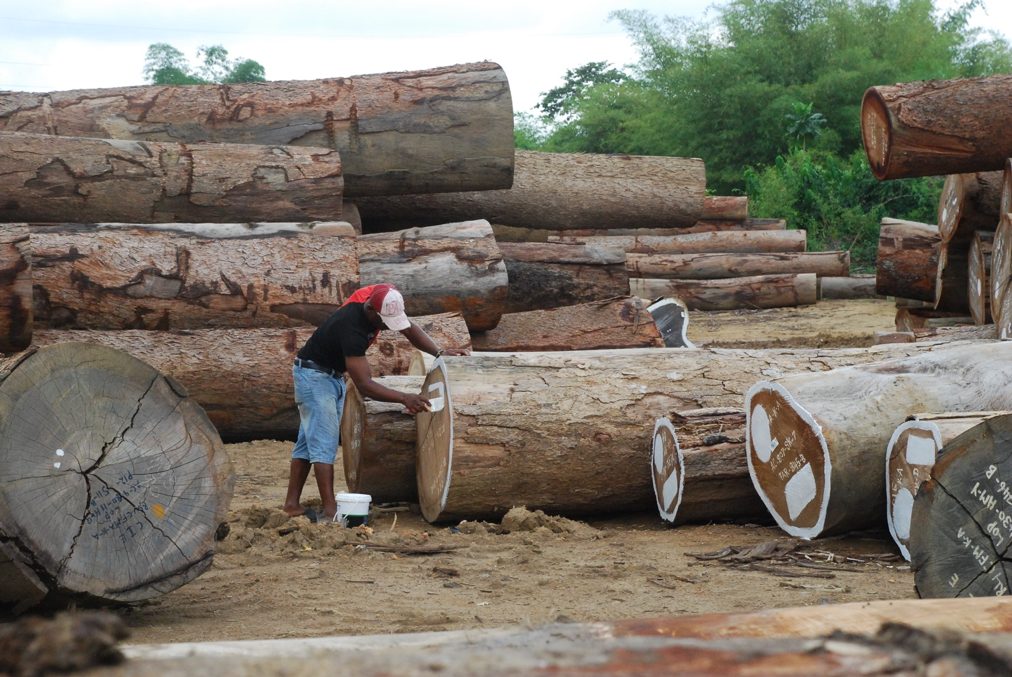
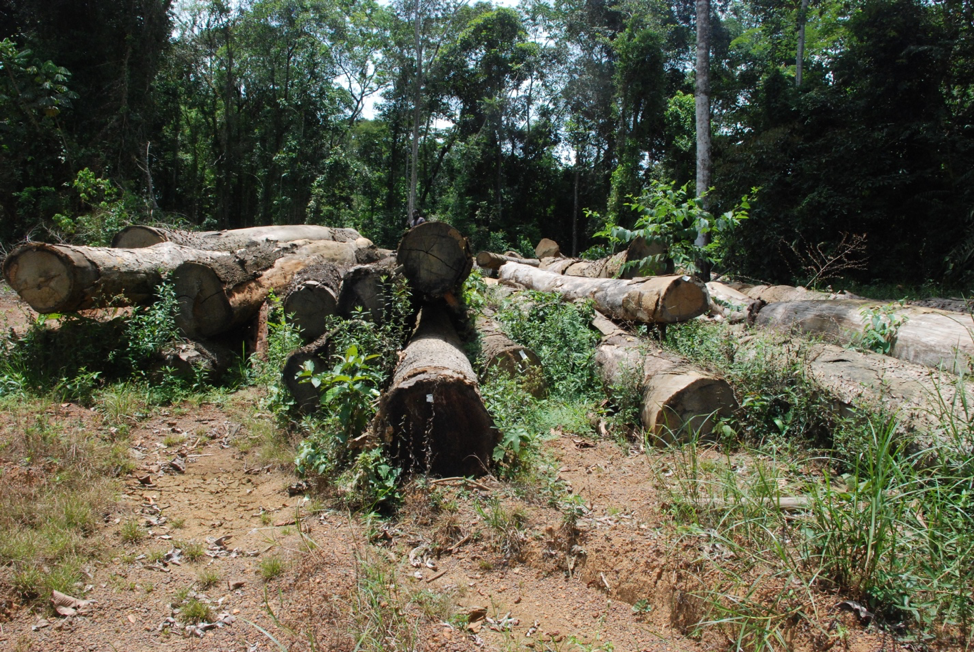
African Wood and Lumber Company harvested 550 logs, including these ones in Gbarsaw & Dorbor Community Forest. The DayLight/Emmanuel Sherman

“That is exactly what we hope to achieve. Once there are more knowledgeable women on forest matters that are in the community leadership, they can better combat illegal logging, deforestation and forest degradation,” says Foyah. Only five out of nearly 50 members of the leadership of Jo River & Nyorwein are women.

“We know that there are a lot of issues in forestry,” he adds, “but that is how we can solve those problems.”

Zahn Dehydugar of the Community of Forest and Environmental Journalists of Liberia (CoFEJ) contributed to this report.

Funding for the story was provided by the Foundation for Community Initiatives (FCI). The DayLight maintained complete editorial independence over its content.
Company Abandons Some 2,500 Logs

Sing Africa
Sing Africa

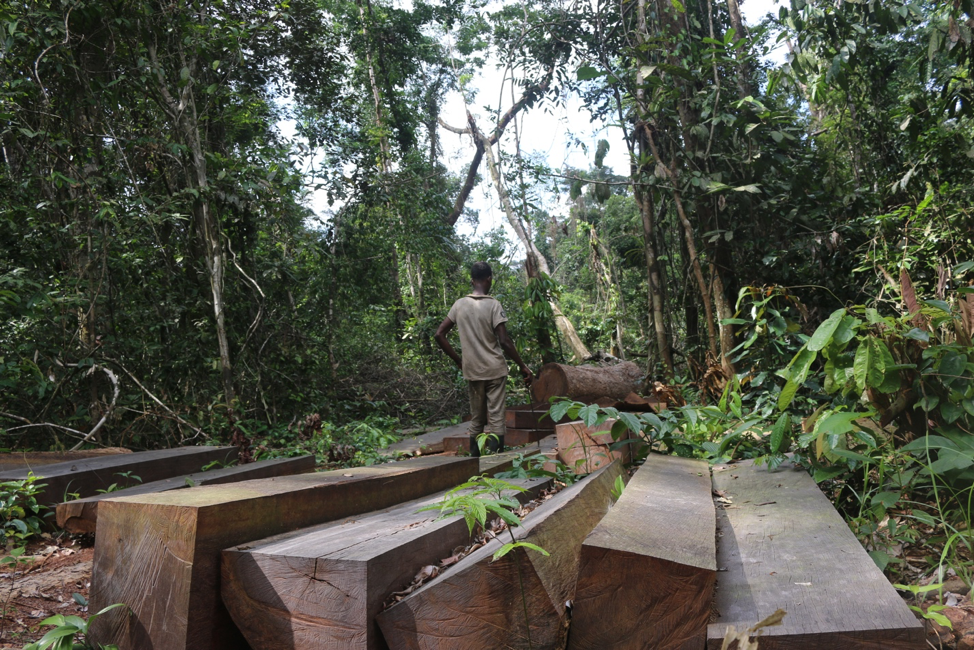
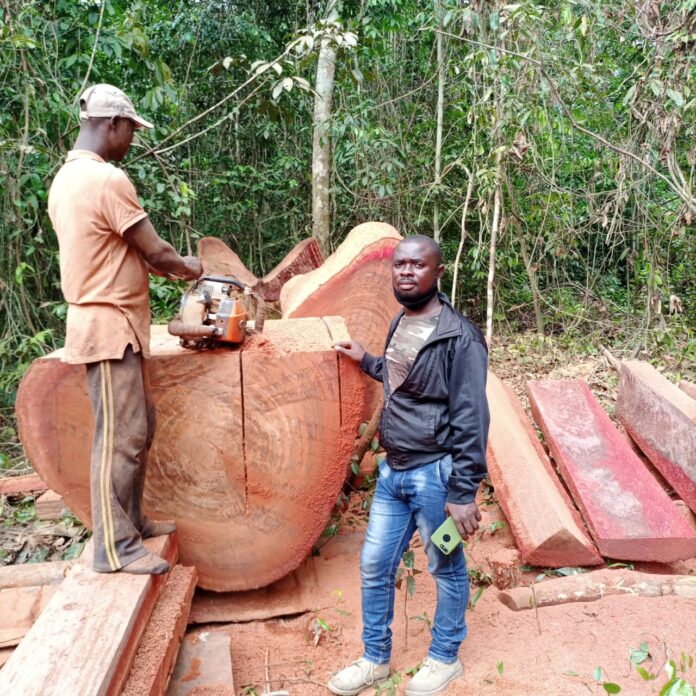
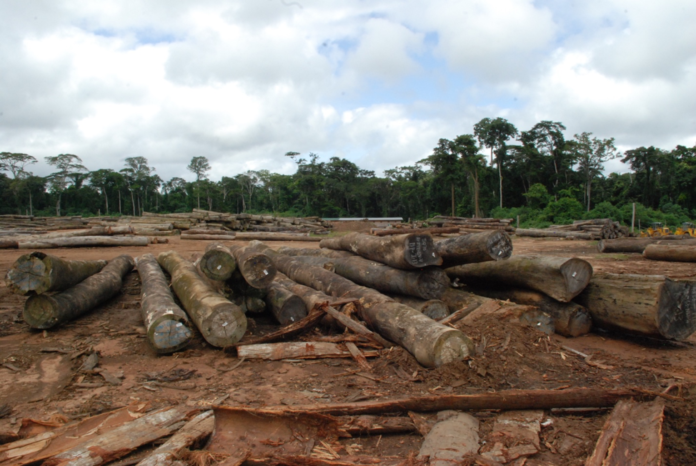
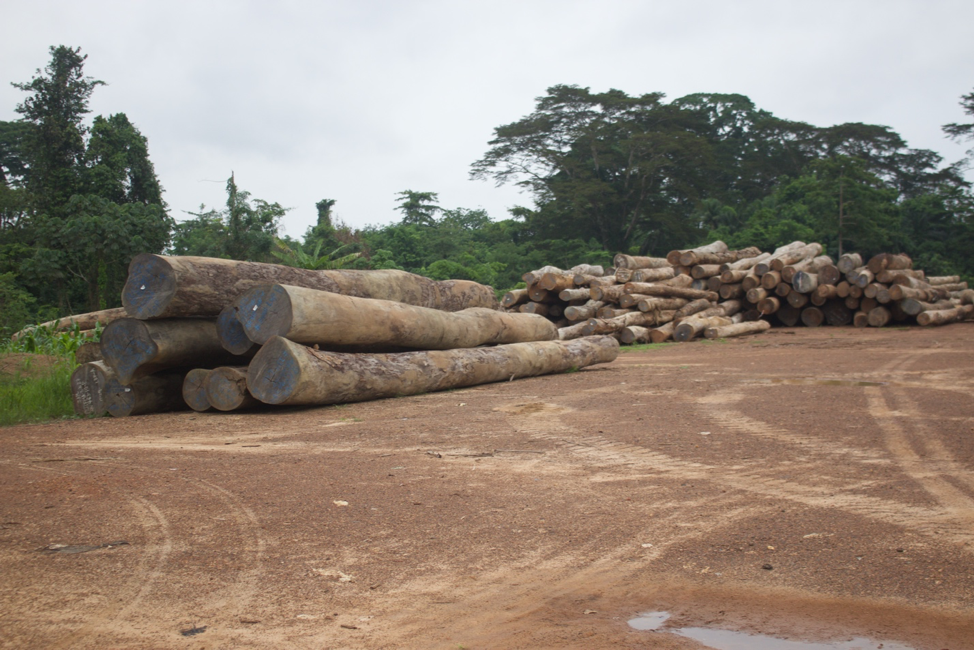
Top: Some of the logs Sing Africa Plantation Liberia Limited abandoned at its sawmill in Zorzor, Lofa County. The DayLight/James Harding Giahyue


By James Harding Giahyue

Editor’s Note: In this second part of a series on Sing Africa Plantation Liberia Limited, we reveal how the Singaporean logging company abandoned a large number of logs in Lofa and Grand Bassa.    


BALAGWALAZU, Lofa County – Sing Africa Plantation Liberia Limited, a Singaporean logging company, might have harvested about US$2.2 million worth of logs outside its concession in Bluyeama Community Forest mainly between 2018 and last year.

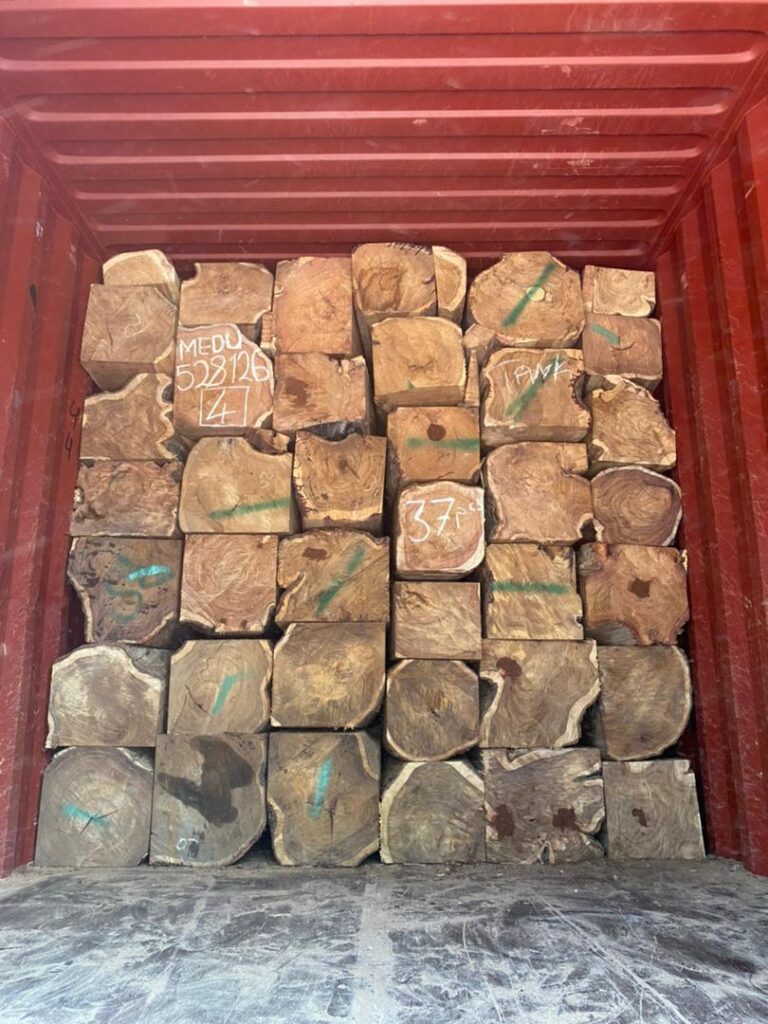
But it has abandoned about 2,500 logs it cut within that period, including logs the company illegally harvested, further investigation The DayLight conducted into the firm’s operations discovered. Around a fifth of the logs have already decayed.  

Legally, logs are abandoned when they are left unattended between 15 and 180 days, depending on their location and the result of a three-month government-run inquiry. That means even logs Sing Africa felled in December last year, the latest of its production, are abandoned.

Our calculations of the company’s official production and export records between 2019 and last year show that it has 1,426 logs that have not been exported. Having only obtained production and shipment data in volume between 2017 and 2018, we estimated the difference of  10,761 cubic meters to be 1070 logs.  

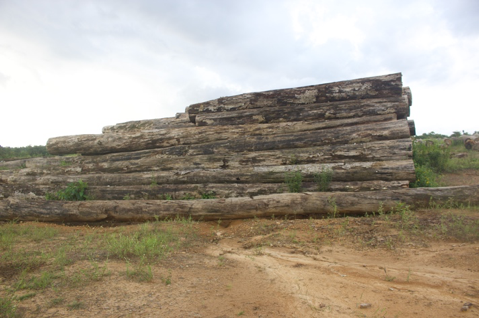
The logs are scattered at different locations. Most of them are in the company’s sawmill in Balagwalazu, with some in its log yards on the Gbarnga-Lofa highway and in Grand Bassa County.

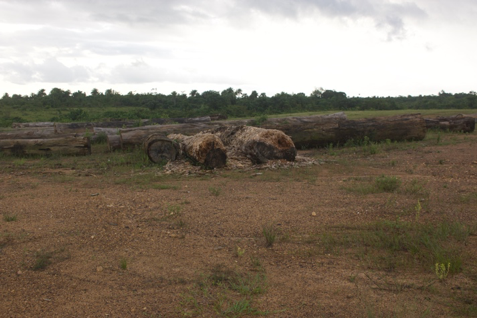
We counted about 500 woods—several with Sing Africa markings—in a large open field in Buchanan, all of which have already decayed. Their remnants created sponge-like coatings everywhere as if the area were a graveyard for trees. You could take the cawing of birds that pierced the quietude of the deserted area for a eulogy.

“It’s not even good for charcoal now,” said one woman, who did not want to be named due to safety reasons.   

The members of the leadership of Bluyeama Community Forest, who monitor the company and have records of all its operations, corroborated our findings. Gayflorson Korballah, one of Bluyeama’s leaders, pointed out huge piles of logs that had been harvested in 2017 and 2018. Alexander Songu, the head of the leadership, said most of the ones in the log yard had been harvested in 2019.    

We traced some of the logs to the company’s official production records from their tracking numbers.   

Tracking logs is a major component of postwar forestry reform in Liberia. Every tree felled must have an identification number that can be used to track logs from harvest to export.

The illegal logging and the failure of the company to pay the community its benefits have left locals frustrated. Since 2009, villagers have had the right to manage their forests alongside the government. Bluyeama, a 49,444 hectare woodland in the Zorzor District bordering Gbarpolu, was certified in 2011.

Following a difficult relationship with Ecowood, a previous logging company, it signed an agreement with Sing Africa in January 2016. But the company has not lived up to its promises. It owes both the Liberian government and the community US$121,271, according to the record of a meeting of players in the forestry industry on the implementation of Liberia’s Voluntary Partnership Agreement (VPA) with the European Union official records released in March earlier this year. That is one of the highest debts any company owes in the entire forestry sector.     

Loss of Revenue

The Forestry Development Authority (FDA) has known about the abandoned-logs issue since, at least, two years ago, evidence shows. In August 2020, an inquest by the agency found that Sing Africa abandoned 675 pieces of ekki wood (Lophira alata), an expensive, first-class log, in Buchanan. It also found that Star Wood—run by the Guptas, the Singaporean family that owns Sing Africa—left 465 logs at that same location.  

Some abandoned logs in a log yard on the Gbarnga-Lofa highway, owned by  Sing Africa Plantation Liberia Limited. The DayLight/James Harding Giahyue

“Logging contract holders are not doing much to minimize [the] incident of abandoned logs,” the report, leaked to us,  said at the time. It said companies were harvesting logs without first securing sales contracts.

“Much-needed revenues that the national government requires for national development have been lost due to the unprecedented abandonment of assorted round logs by logging companies,” it added.  

But it was only two months ago that the FDA started to take action. In April, it gave all companies a one-month period to declare the logs they had not shipped. Managing Director Mike Doryen told The DayLight a countrywide auctioning of abandoned logs would have begun at the end of that month, which did not happen.

“[Bluyeama] is an area of concentration for ourselves,” Doryen said. “Those who did not remove their logs as per the stipulated time, the lawyer will now go to the court to seek judicial actions to have the logs confiscated the auctioned.”

Doryen’s timeline for an auction was impossible. It takes several months of court orders and required notices for abandoned logs to be auctioned, according to the Regulation on Abandoned Logs, Timber and Timber Products. There were no records of such order at the circuit courts in Voinjama and Buchanan.   

It was until earlier this month that the FDA began to inquire countrywide about abandoned logs, following three reports by The DayLight on the subject. Harris Zeah, the ranger responsible for Lofa, Bong and Margibi, was suspended and replaced a week after our report of illegal logging in Bluyeama. “Management’s action is predicated upon your consistent failure to meet work plan objectives, including your failure to adequately and timely address noncompliance issues in… the Bluyeama Community Forest,” Zeah’s suspension letter read.

Mukesh Gupta, Sing Africa’s CEO and head of the Guptas, denied any wrongdoing, blaming the coronavirus pandemic.  

“We were loading by containers but when the Covid-19 hit, there was no buyer,” Gupta told The DayLight in an interview at the company’s Rehab office in Paynesville. “Covid-19 has damaged us so much. I think I should be supported, given the kind of investments we have made in the community.”  

Though the pandemic shattered supply chains worldwide, especially in the Asian markets Sing Africa exports its logs, the company continued to cut trees. Between 2019 and 2020, it harvested 2,000 logs, according to official records. And while it only exported 189 logs during that time, it added 166 logs the following year. It did not apply for force majeure, a legal recourse companies take to address things like disease outbreaks, conflicts and natural disasters.

“We never cut the trees thinking that they would be abandoned. We cut the trees thinking that Covid-19 would go away soon. We are surprised that Covid-19 has stayed on for long,” Gupta added.

Sing Africa faces millions of United States dollars in fines and could be one of the heaviest in the Liberian logging industry’s history. Abandonment of woods in log yards, sawmills and ports carries a fine of three times the international prices of each class of logs.  

The regulation was created to prevent waste of forest resources and to make sure companies harvest logs sustainably. It replaced an earlier regulation that narrowed the definition of abandonment to logs found outside a concession, lacking tracking barcodes. Its establishment in 2017 came amid a crackdown on illegal logging by importing countries, including the European Union.  

Waste of the logs from Bluyeama adds to the Zorzor region’s forest loss. From 2002 to last year, the district lost 20.6-kilo hectares of humid primary forest, according to Global Forest Watch, which tracks deforestation worldwide. That number is one of the highest among community forests, according to a study by the FDA and the World Resource Institute, a global research charity. Tree cover loss refers to the removal of forest canopy by people or nature.


Zahn Dehydugar of the Community of Forest and Environmental Journalists contributed to this report.  

The fund for the story was provided by Fern. The DayLight maintained complete editorial independence over its content.

Bea Mountain Truck Carrying Chemical Crashes in Cape Mount

WhatsApp Image 2022 02 21 at 11.18.53 AM

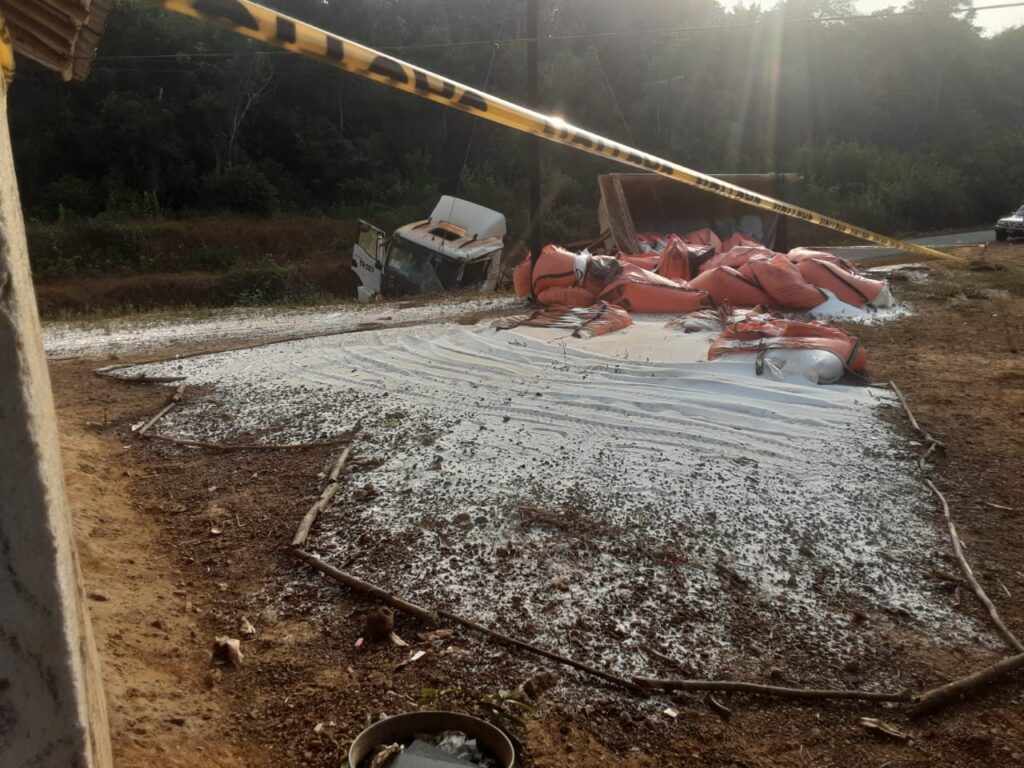
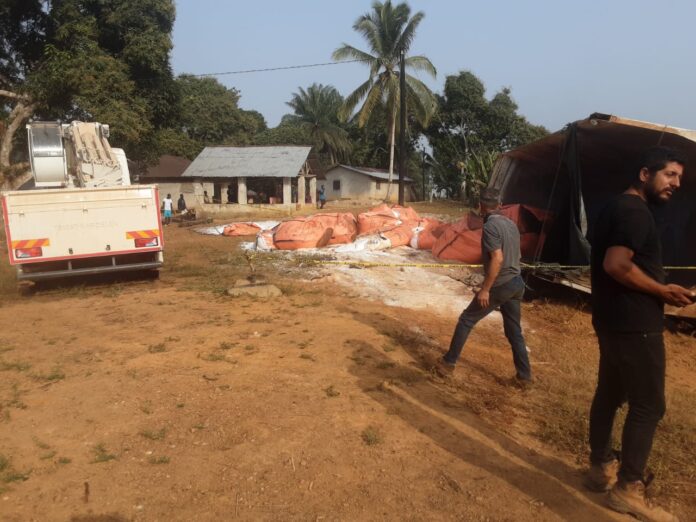
Top: A consignment of ammonium nitrate is seen scattered from the accident spot in Small Bomi, Sinje, Grand Cape Mount County. Picture credit: Philip Zodua


By Varney Karmara

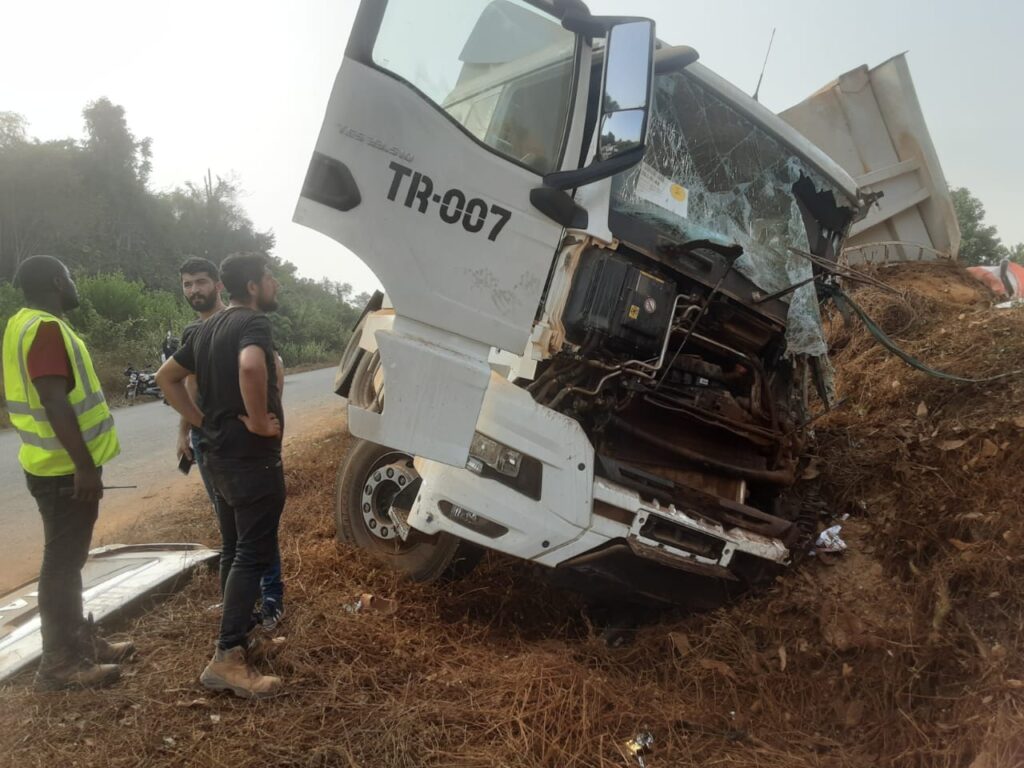
SINJE, Cape Mount – A Bea Mountain truck carrying 26 metric tons of ammonium nitrate, which has caused some of the deadliest explosions in human history, crashed by a roadside in Sinje, Grand Cape Mount County in the early hours of last Saturday.

“Early Saturday morning, between 6 am [and] 7 am, we heard a loud sound as if a bomb had exploded. The sound was fearful, and everyone was warned to stay away from the chemicals which felt from the white truck,” said Mohammed Kawah, a resident of Small Bomi, where the accident occurred.

“The sound was so heavy to the extent that we started pushing everyone away from the truck,” Kawah added.  

The two men were injured in the accident, eyewitnesses told The DayLight. Raymond S, the driver of the vehicle, was critically wounded and is receiving treatment at the St. Timothy Hospital in Robertsport, the townspeople said. Rescuers had to use another Bea Mountain vehicle to pull one of the car’s doors open to get the trapped, wounded driver out of the damaged truck.

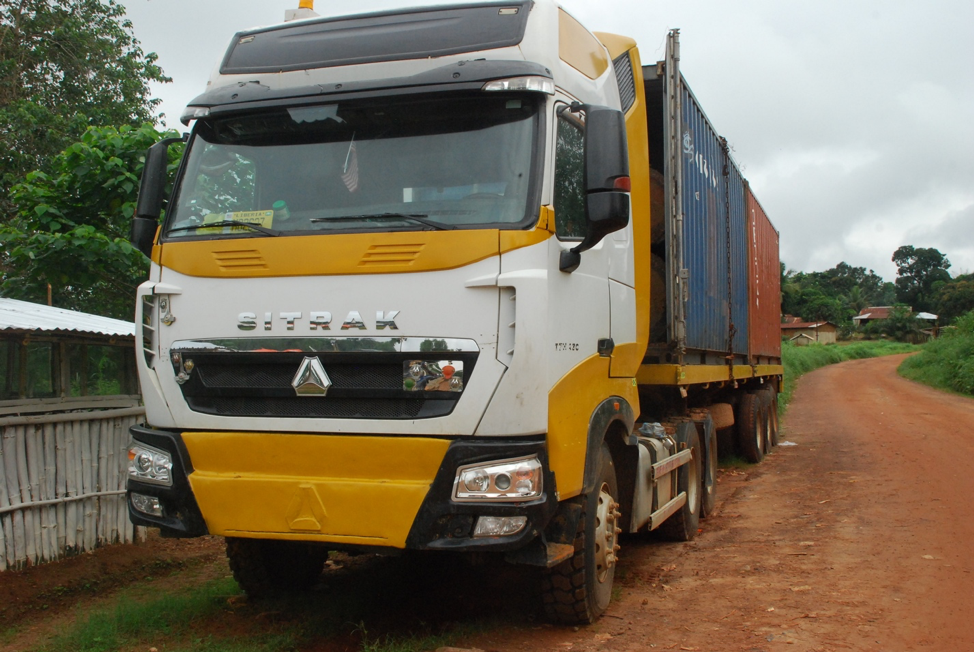
The truck, marked “TR-007,” was transporting the chemicals from Buchanan, Grand Bassa County to Bea Mountain’s industrial goldmine in Kinjor, Garwula District. Minutes after the accident, the company dispatched a team of workers from its chemical department, who teamed up with experts from the Environmental Protection Agency (EPA) to clear the scene of the accident. The team revisited the site once more after this reporter arrived there.

“They came and sprinkled water to the area where the chemical wasted on the ground and warned us not to go around there,” Boimah Kiadii, Town Chief of Small Bomi, told this reporter. “They also advised us not to make any fire around there.

“They told us that the chemical is not bad, but they also warned us not to go close to it, and this made us worry about our safety,” Kiadii said, adding that Bea Mountain distributed 10 bags of kg rice among villagers.

Bea Mountain employees at the site where one of the company’s trucks carrying 24 metric tons of ammonium nitrate crashed on Saturday in Sinje, Grand Cape Mount County. Picture credit: Philip Zodua

The ammonium nitrate was part of a 5,000-metric-ton consignment of the chemical whose shipment into the country the government approved earlier this year, official records show. The injured driver was trained in the handling of dangerous substances, the fatal transport approved and the vehicle licensed by the EPA in line with environmental regulations and guidelines.

Ammonium nitrate is a white sparkling solid chemical that consists of ions of ammonium and nitrate and is used to produce high yield explosives and as a fertilizer.  When coming in contact with direct heat, extreme sunray, or fire, ammonium nitrate can be very dangerous. It poses health, safety, and environmental risks. It can cause harm when swallowed, lead to eye irritation, produce toxic gas when mixed with acid, intensify the fire, and ignite an explosion when heated under confinement.

This is the second time Bea Mountain, owned by Turkish billionaire Nazif Günal, is appearing in the news for its controversial handling of ammonium nitrate. In 2020, the company imported 4,000 metric tons of the chemical without the approval of the EPA. That importation breached the EPA’s requirements for the shipment of chemical substances. The law prescribes a 20-year prison term, a fine of US$50,000 for a violator, or both. It is not clear whether Bea Mountain was fined at the time.

In August last year, residents of Kinjor saw their complaint against European financiers of Bea Mountain’s New Liberty Goldmine accepted over allegations of water pollution and failure to live up to the agreement it has with affected communities. The company signed a 25-year mineral development agreement with the government of Liberia in 2001 for the extraction of gold in the Garwula and Gola Konneh districts. In 2013, the deal was extended by another 25 years, taking it to 2038.

Efforts to reach Bea Mountain on the matter also did not materialize, as we were unable to get the exact location of the company’s headquarters in Monrovia and on Bushrod Island.

The EPA said in a news conference on Tuesday no residual of the chemical remained at the site of the crash. “No water sources were observed within [a] 10-meter radius of the area and the incident is unlikely to cause any adverse environmental or health risk to the residents of the Small Bomi community,” said Prof. Wilson Tarpeh, the executive director of the agency.  

Ammonium nitrate explosions have led to an array of disasters across the world, among them the Beirut Explosion of 2020 that killed 200 people, the 1921 Oppau explosion in which 500-600 people died, the 1947 Texas City disaster that killed 583 people, the 2015 Tianjin Explosions that killed 173 people.

Despite the danger it poses, some countries still use the substance, including the United States. Countries in Eastern and Western Europe are the largest consumers of the commodity, consuming 53 percent in 2019, according to British information provider IHS Markit. Germany, the United Kingdom, Australia, Ireland, Pakistan, and Turkey are among the countries that have banned the use of ammonia nitrate both as a fertilizer and explosive.  

Liberia has not banned ammonium nitrates, with Bea Mountain using the chemical for its operations, contributing US$9,583,127 to the national budget or 12 percent of the revenue generated by the country’s extractive sector in the 2018/2019 fiscal year, according to the Liberia Extractive Industries Transparency Imitative (LEITI). 

The Ammonium nitrate spilled in a private yard in Small Bomi in Sinje, Grand Cape Mount County. Picture credit: Philip Zodua

Foundation for Community Initiatives (FCI) funded this story. The DayLight maintained editorial independence over its content.