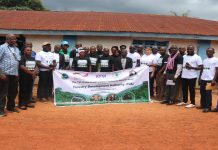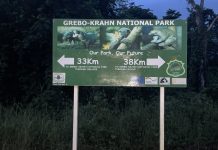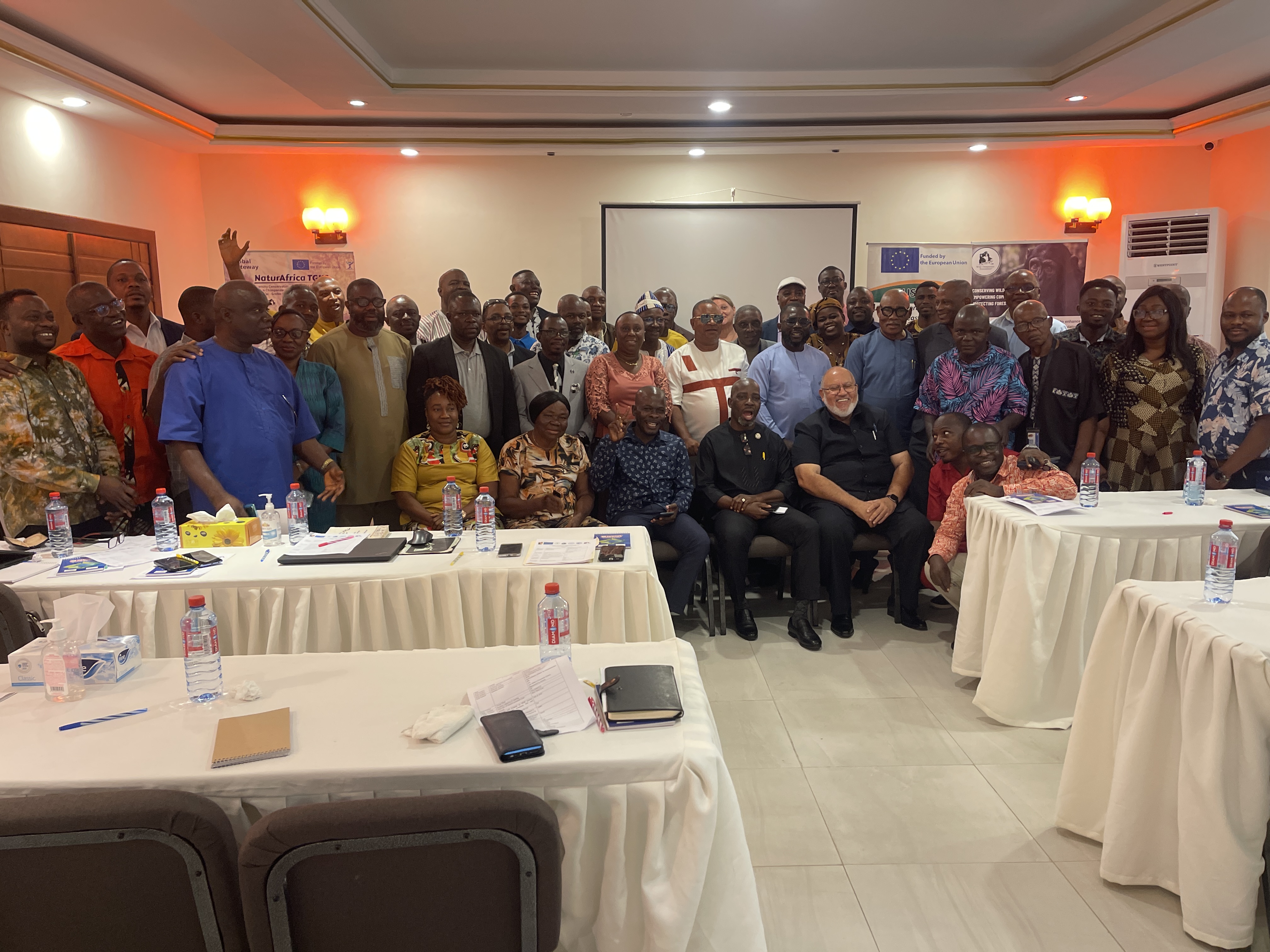

Top: Superintendent Solomon Pillet in an interview in Togbaville, Sinoe County. The DayLight/Esau Farr
By Varney Kamara
SAYON TWON, Sinoe County – Local government officials in Sinoe County’s Sanquin District have accused a Paynesville-based NGO of not recognizing their authority in community land activities. The NGO, Social Entrepreneurs for Sustainable Development (SESDev), denies any wrongdoing.
SESDev is supporting communities in Lower Sanquin to get their customary land deed. For nearly two years, it has conducted land rights awareness campaigns in the communities adjacent to the proposed Kwa National Park. However, local authorities here say the NGO does not invite them to participate in these events.
“They came and organized a local community land development management committee without any involvement of the local authorities,” said Solomon Pillet, Superintendent of Sanquin. “By virtue of the fact that I am the legitimate leader of this place, if the citizens have a concern, it should be channeled through me.”
Mathew Terpeay, Commissioner of Upper Sanquin Neequiah Clan, confirmed Solomon’s accusation against SESDev, which wants the proposed park suspended until adjacent communities get deeds to their customary lands. Tarpeay accused the NGO of sowing conflict in the district in an interview with this reporter in Nenneh Town.
SESDev denies the allegation, calling the accusation “unfounded.” Daniel Krakue, a SESDev lead campaigner, said the NGO had worked with the consent of late Clan Chief Thompson Gboweah and the Sinoe County Land Administrator Office.

“Therefore, the allegation by Mr. Pillet A. Solomon, Superintendent of Sanquin Statutory District, that the establishment of the [Community land development and management committee] undermines local leadership is completely unfounded,” said Krakue in a statement.
Krakue said SESDev could not be blamed for the conflict Terpeay alleged, as confusion was not unique to the Sanquin District. “Boundary harmonization often brings out existing historical land disputes,” he added.
The Land Rights Act came into force, granting rural communities land based on their ancestry, customs and traditions. Under the Land Rights Act, a landowning community must complete a legal process before obtaining its deed. However, under the law, local officials are required to play a role.
“Each community land development management committee shall work with the relevant local government officials…,” states the law.