
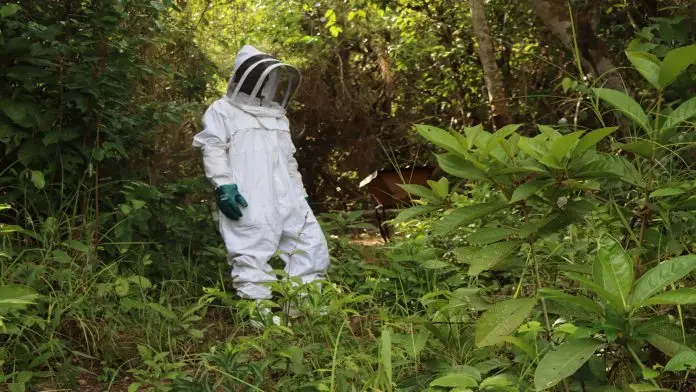
Titus Morlu, a beekeeper in Beyan Town, Salayea, visits one of his beehives. The DayLight/Harry N. Browne
By Esau J. Farr
SALAYEA, Lofa County – Back in the days, Titus Morlu hunted deer, raccoons and pythons. But in 2024, he put down his gun and trap and became a beekeeper.
Morlu no longer has to walk long distances at night to hunt animals, and he does not worry about contracting any diseases from his prey. He keeps bees in Beyan Town, in Lofa’s Salayea District, bordering Bong County, and expects his first harvest soon.
“For now, some of us have no interest in going to the forest to hunt or look for honey because we have [honey] right behind our vineyards,” says Morlu.
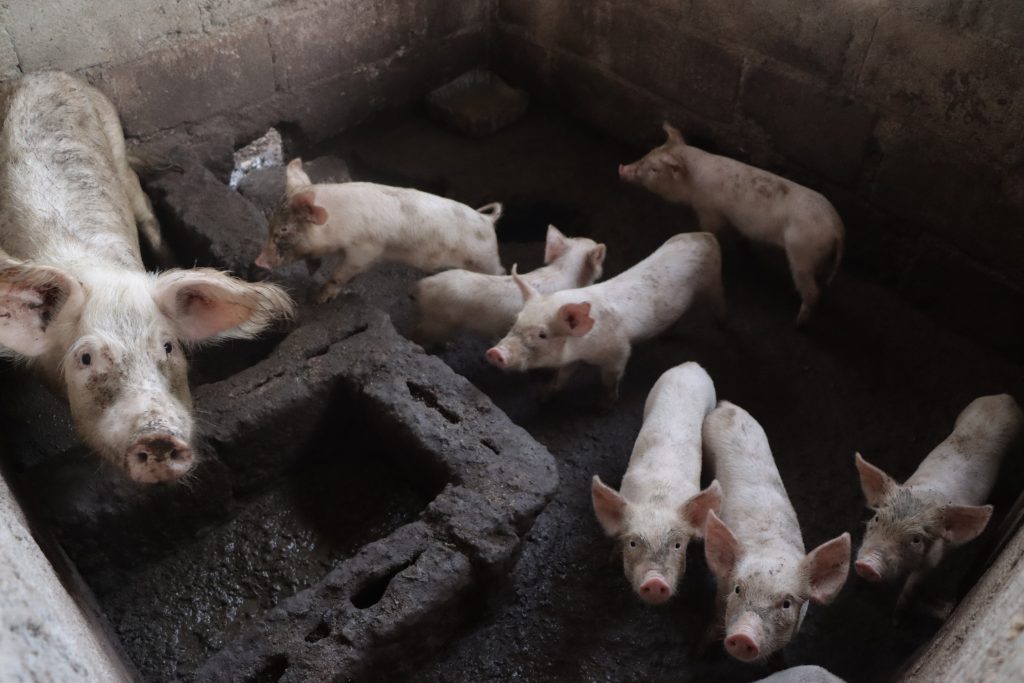
Like Morlu, Wolobah Nuapolor hunted in the Salayea forest for decades. When he learned of an opportunity to raise pigs rather than hunt deer and squirrels, he jumped on it. He now has 12 pigs.
The beekeeping and piggery projects are two of several programs the Salayea Community Forest is undertaking to provide alternative, sustainable livelihood opportunities for townspeople, aimed at reducing their reliance on the forest and protecting it. It also includes a wood shop, cocoa farming, village loan scheme, and guesthouse management.
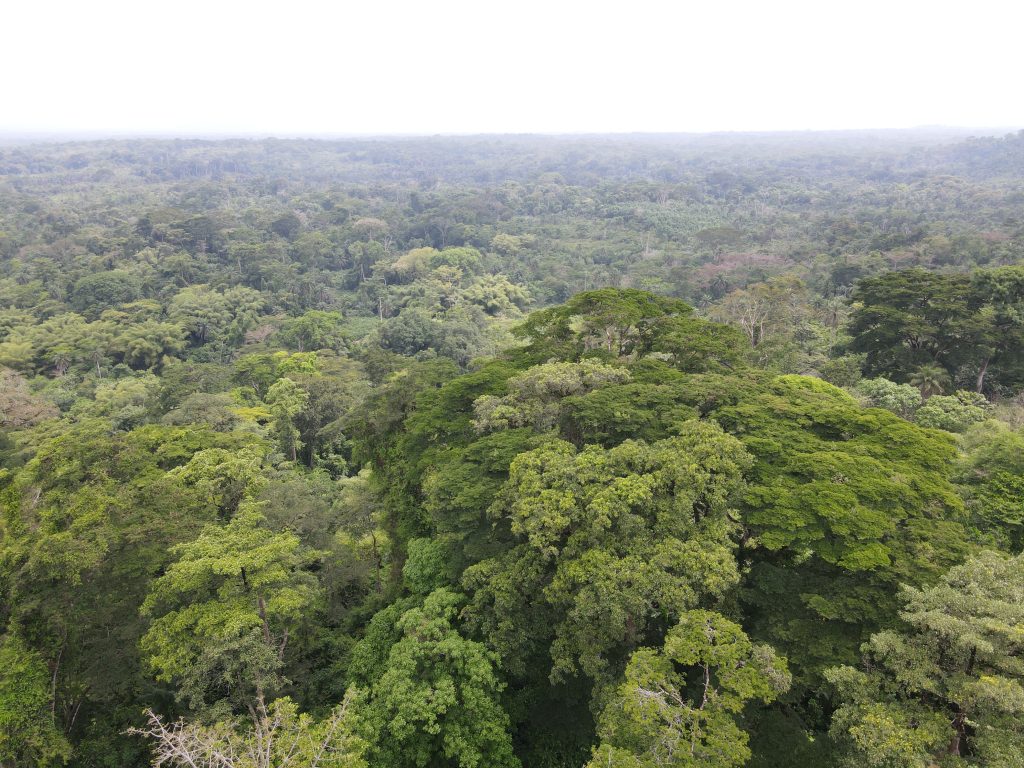
Established in 2016, the Salayea Community Forest is an 8,270-hectare conservation forest with rich biodiversity. The livelihood programs have impacted the forests at different levels. There is no more forest farming, as many have turned to lowland farming, animal raising and local businesses. Organizers say the project is intended to cut deforestation and forest-induced emissions.
“We are doing beekeeping, cocoa farming, village savings and loan program, and piggery in the six affected communities to fight against all forms of illegal activities in our forest,” says Yassah Mulbah, Salayea Community Forest’s chief officer.
“The village saving loan has empowered the women within the six affected communities in Salayea. They no longer receive credit from outsiders like in the past; their children are no longer being sent out of school for fees.”
‘A part of me’
In 2023 and 2024, Palladium Group, a UK-based NGO, trained people from the six communities that own the forest in different areas for two weeks. Beneficiaries of the piggery training received two pairs of pigs to begin their farming, while beekeeping trainees got beehives.
A team of DayLight reporters, which visited Telemu and Beyan Towns, observed that the beehives were ready for harvest.
Beekeepers in Salayea have chosen next month to harvest their beehives, all of which have colonized. The beekeepers want the community forest to help find buyers for their honey. One beekeeper told reporters that a liter of natural honey is sold for L$1,200 (US$6.66) in the area.
“I have decided to have my own beehives, about seven or eight, to help send my children to school and to help my family,” said John Tokpah, a former forest farmer-turned-beekeeper in Telemu Town, who has spent a year in the program.
“This (beekeeping) will be a part of me. I will not let it go from me.”
The piggery program is a little faster than the beekeeping program. It has already begun providing income for beneficiaries.
The piggery program recruited more than a dozen people, including women in Beyan, Telemu, and Salayea Towns. It started with 12 pairs of pigs, which have now multiplied. Currently, there are 18 pigs at three functional pig farms.
The Salayea pig farm has been sold at least three times. Proceeds from those sales have been added to the community forest’s savings of over L$400,000 (US$2,222), according to Mulbah.
“We have been using some of the pigs for other programs here in Salayea,” says Wolobah Nuapolor, a piggery manager. “Even last week, we killed some and sold it and the money was put into the community forest’s account.”
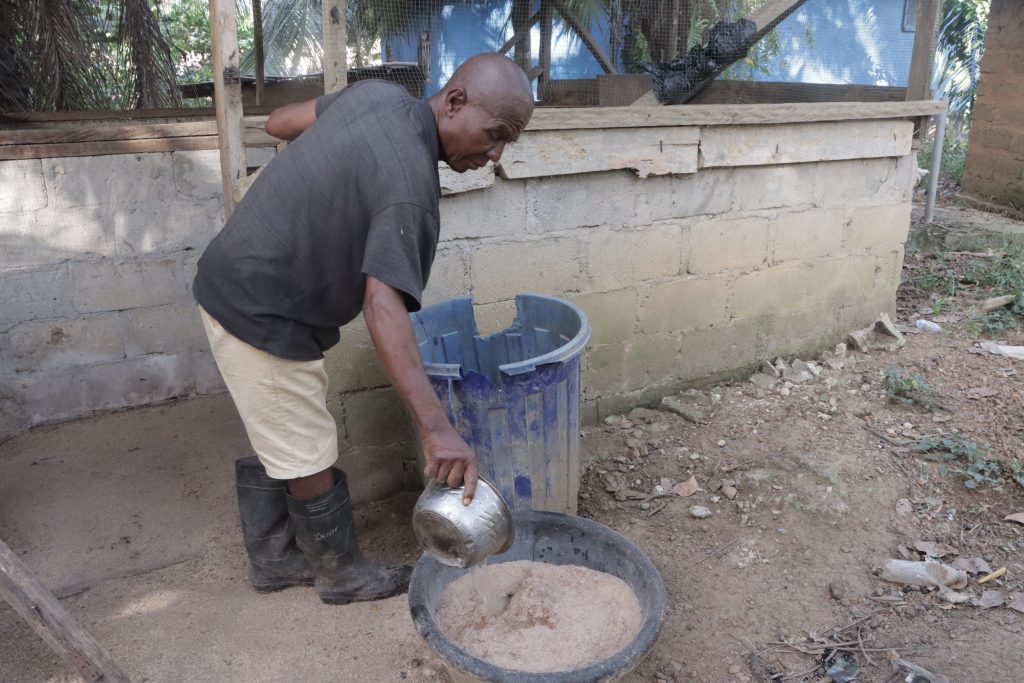
“When these pigs are plentiful here, our men will not be hunting in the forest,” says Nenei David, a pig farmer in Telemu.
In the next five years, Mulbah, Salayea’s chief officer, wants the community to be independent of the forest. Illegal activities in the forest have reduced since 2024, she says. This, however, was propelled by a string of legal victories against illegal occupants—farmers, miners and loggers.
“These livelihood programs will make Salayea Community Forest financially strong and put an end to illegal forest activities in the years ahead,” Mulbah says.
The story was a production of the Community of Forest and Environmental Journalists of Liberia (CoFEJ).