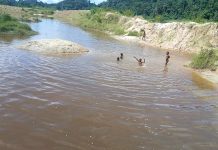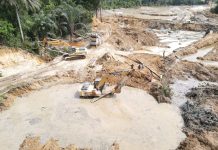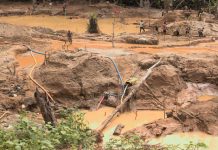
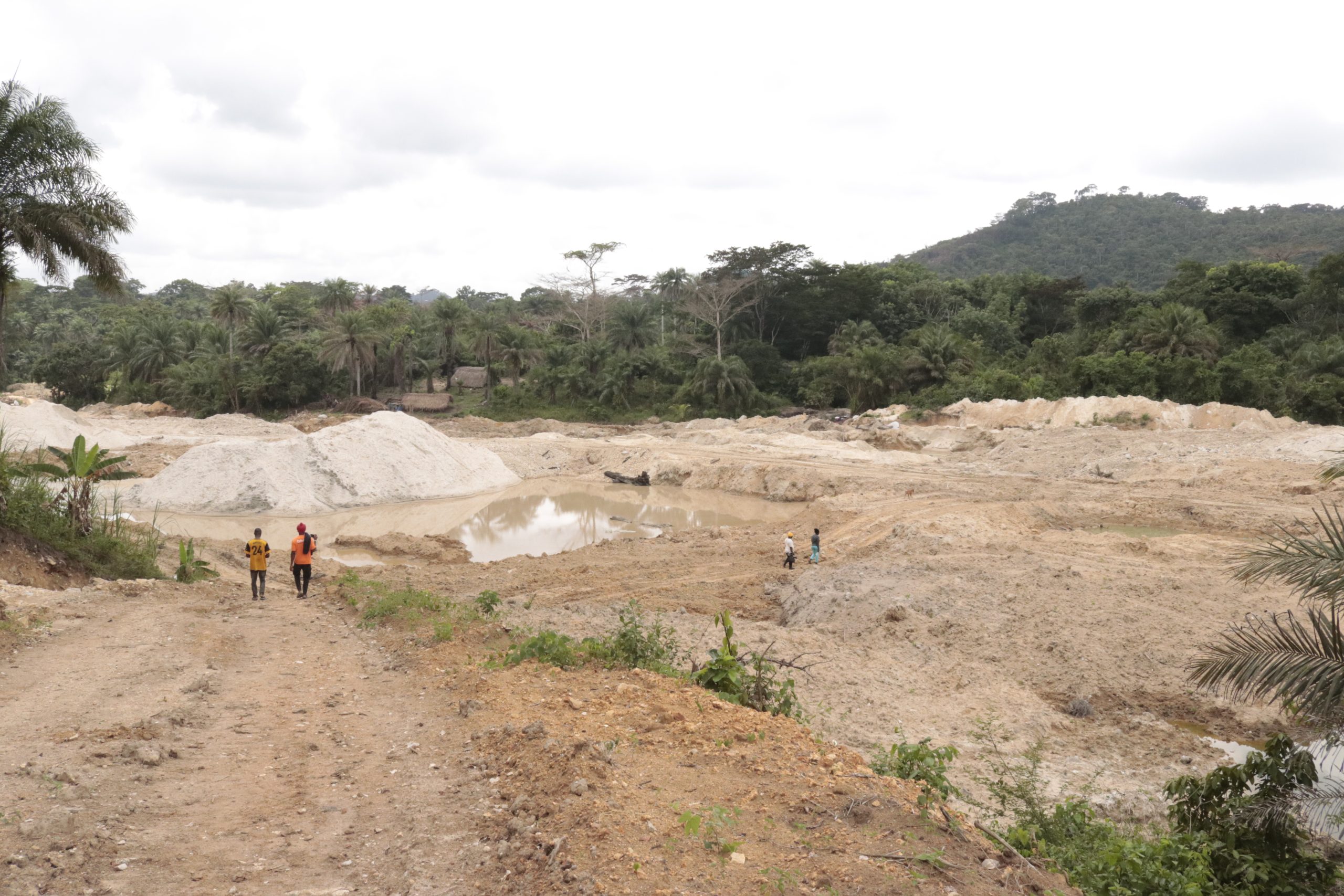
Top: Miners patrol a mining site in Kiliwu, Zorzor District, Lofa County. The DayLight/Samuel T. Jabba.
By Varney Kamara
MONROVIA – Illegal mining is commonplace in Liberia. Whether it is mining in proposed protected areas or community forests, operating without a license, or operating outside a claim—the negative impacts on communities and the environment remain the same.
The Law Reform Commission and a consortium of civil society organizations are leading efforts to reform the country’s mining industry. Reformers acknowledge that the country’s outdated Minerals and Mining Law of 2000 has failed to tackle the sector’s challenges. With funding from the World Bank, reformers are pushing to have a new mining law by October 2027.
“With corruption in the mining sector, conflict of interest, and weak oversight influenced by bribery and other forms of abuse, we need a reform that would address these issues,” says Anderson Miamen, Executive Director of the Center for Transparency and Accountability in Liberia.
“These things are hurting the country. We are poor because we just have not adjusted the resources properly, in ways that are sustainable, transparent, and in ways that are valuable to the economy and the lives of the people,” adds Miamen.
Mining in Liberia dates back to the 19th century when former slaves practiced artisanal mining. At that time, mining activities were principally governed by the Resources Law of 1956.
The first major gold rush took place in Grand Cape Mount County in 1943, following discoveries of diamonds along the Lofa River. Then, Gbarpolu County emerged as one of the primary hubs for informal mining, where local chiefs historically oversaw the issuance of class ‘C’ or small-scale licenses.
Class ‘A’ or large-scale mining began in 1951 when the Liberia Mining Company commenced iron-ore production in then-Bomi Territory. In 1955, the Liberian-American-Swedish Minerals Company (LAMCO) was established after the discovery of significant iron-ore deposits in the Nimba Mountains. The expansion of iron-ore production during the 1960s and 1970s made Liberia Africa’s largest iron-ore exporter.
Today, Liberia’s main mineral products are gold, diamonds, and iron ore. The country holds estimated reserves ranging from two to five billion metric tons of iron ore and three million ounces of gold, according to the African Development Bank. Liberia has also shown potential for bauxite, uranium, copper, silica sands, nickel, and other rare earth minerals.
However, the sector has been weakened by financial crimes, including smuggling, money laundering and tax evasion. These woes are compounded by weak enforcement, corruption, environmental degradation, and the lack of community benefits. The country loses billions annually in taxes, royalties, export and licensing fees, according to SwissAid, a Switzerland-based NGO, which monitors African mineral exports.
Liberia’s mining law was created 26 years ago, the oldest in the Mano River sub-region, and that is where the reform starts. The law establishes the government’s authority to grant mineral rights, regulate operations, collect revenue, and oversee compliance. However, reformers say it is too old and fails to banish the industry’s demons.
For example, the law does not recognize newer legislation such as the Community Rights Law of 2009 with Respect to Forest Lands, the Land Rights Act of 2018, and the National Wildlife Conservation Protected Area Management Law of 2016.
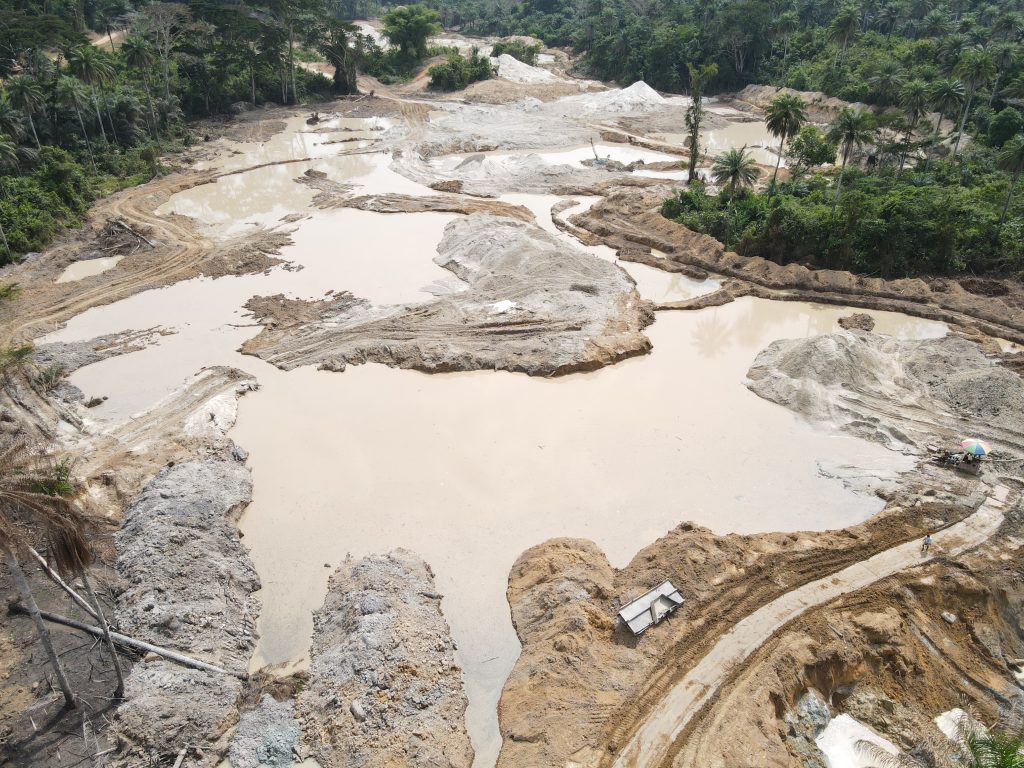
“The existing law leaves critical areas like mine safety, management of explosives, and community grievance mechanisms unresolved,” says Cllr. Bornor Varmah, Executive Director of the Law Reform Commission.
A draft mining law backs the proposals. It proposes the government recognizes newer legislation governing the sector, and calls for improved coordination to avoid overlapping functions. It bans mining in proposed protected areas, recognizes rural peoples’ rights to ancestral territories and their right to consent. Under the draft mining law, small-scale miners would now be required to obtain an environmental permit. Having started in 2013, the draft law was crafted by national and international experts, with support of the German government.
The Boakai administration backs reform, but it is unclear how it wants the reform to be or what it wants changed. Last June, Wilmot Paye, former Minister of Mines and Energy, proposed specific amendments to certain provisions of the current law. His successor, Matenokay Tingban, on the other hand, proposes a broader reform that tackles taxes, community benefits and compliance.
“Our aim is a credible, commercially-grounded system that strengthens the formal gold sector and delivers measurable national benefits,” says Tingban.
Growth without Impact
Liberia needs mining reform as its economy is heavily reliant on the industry. Mineral extraction has historically dominated the country’s earnings and industrial output. Last year, export earnings from gold, iron ore, and rubber reached US$2.1 billion. During this time, the economy grew by 5.1 percent, largely driven by a 17-percent expansion in mining, according to the World Bank. Current economic projection stands at 5.5 percent, mainly supported by strong iron ore production alongside increased activity in construction and manufacturing, according to the IMF.
Several laws give communities the right to benefit from these mineral resources. The Exploration Regulations require companies to spend two percent of their approved exploration budgets for community development. The Land Rights Act requires five percent equity for communities that own concessional lands. But mining-affected communities largely do not receive their legal share of benefits, a 2025 report by the US-based NGO Forest Trends found.
Also, the current mining law does not respect customary land rights or community bodies. It asserts absolute ownership over all minerals based on the constitutional provision that the “Government rights supersede the rights of any landowners or occupants of land.” This has been used by successive administrations to undermine community land and forest rights. Mining license areas heavily overlap with community forests, proposed parks, and logging concessions. Meanwhile, institutional coordination between the Ministry of Mines and Energy and other institutions like the Liberia Land Authority and the Forestry Development Authority is weak.
To resolve these issues, the draft law recognizes newer legislation and institutions governing the sector. It outlaws mining in parks and proposed parks, recognizing customary peoples’ ownership of forestlands and their right to consent regarding projects on their lands.
Environmental degradation
Environmental degradation has reached critical levels. The industry is experiencing chemical spills due to unsafe mining activities. Legal and illegal miners hollow out communities, resulting in deaths and injuries. In June, a DayLight investigation found northwestern mines were becoming graveyards for miners. In March 2024, nearly a dozen miners died after an abandoned mine collapsed in River Cess County. Mercury levels near artisanal gold mines in the country reached 150 times higher than WHO drinking water guidelines, according to data compiled by the UN Environmental Programme.
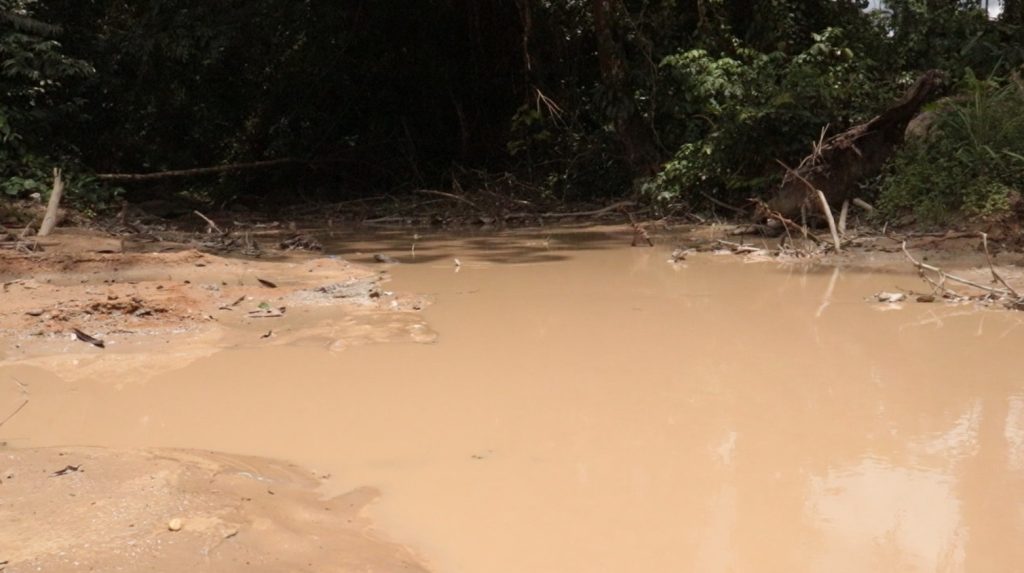
Last February, President Joseph Boakai issued Executive Order No. 143 to protect Liberia’s beachfronts, waterways and wetlands. Months later, the ministry authorized dredging, despite its previous ban because of its association with mercury.
Reformers want President Boakai to establish enforceable environmental safeguards, including mine closure, land reclamation, and environmental restoration, to hold companies accountable. A consortium of civil society organizations urges tough actions for this to work.
“The Consortium calls on the government of Liberia, especially the office of the President and the Legislature, to institute a moratorium on the allocation and ratification of new mineral development agreements until a comprehensive and modern… law is enacted,” adds the statement.
Low royalty
Liberia generally charges three percent on gold exports under its mineral concessions. However, critics argue that this low fee leaves the country with a tiny fraction of its mineral wealth. While mining accounts for more than half of Liberia’s GDP, low royalties and tax exemptions undermine revenue generation.
In October, there was public outcry over Liberia’s royalty regarding Bea Mountain Mining Corporation, the country’s largest industrial gold producer. The confusion intensified after disclosures that Bea Mountain generates US$1.62 billion annually from its Liberian gold operations, yet the government collects only a three percent royalty share, or US$48.6 million.
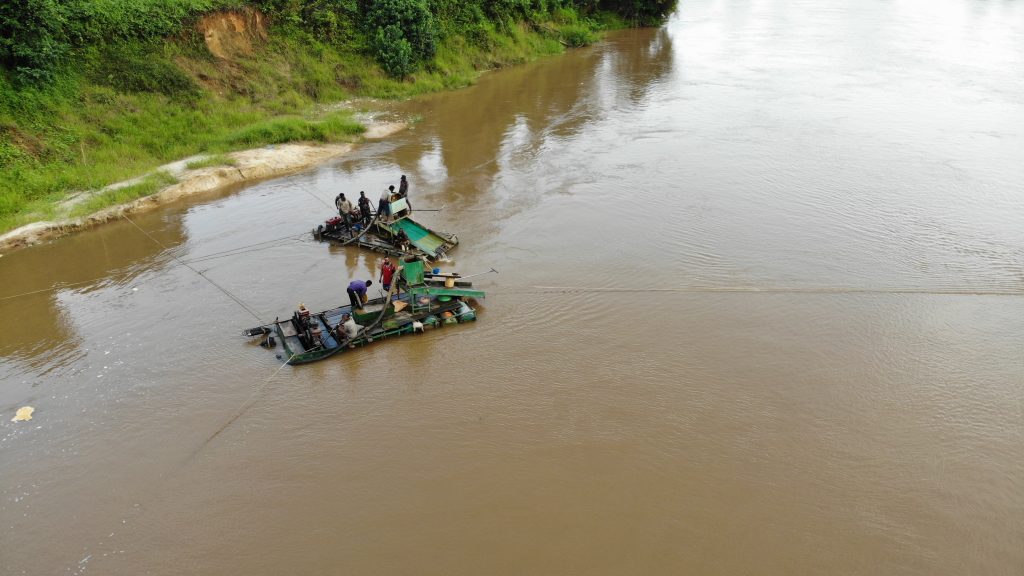
Rather than just raising royalty percentages, reformers are pushing for 10 to 15 percent government ownership of mining firms. This would allow the government to have a bigger stake in mining companies, while preserving its share of the initial investment or operating costs.
President Boakai recently issued an executive order, authorizing an inter-agency council to draft legislation that spells out a financing model for the government. The directive prepares the groundwork for the creation of the Liberia Mineral Company, which is expected to handle issues arising from the mineral sector.
Meanwhile, the draft law requires the verification of royalty payments by licensees. It proposes that miners pay for water and natural heat caused by mining operations on the environment. It says that such resources shall be treated as taxable, or as receipts for royalties. It recommends the filing of a US$50,000 bond by a dealer who fails to meet tax obligations.
“Reforming the law has become an imperative that we can no longer ignore. We need to build a system that tracks everything in the sector, including how much minerals are leaving the country outside of the legally established channel,” says Aidoo Harold, Executive Director of Integrity Watch-Liberia, one of the NGOs campaigning for reform.
“We also need technical, mechanical reform that builds the capacity of the ministry and other implementing agencies. We need to come to a point where the reform would encompass legal, regulatory, and digital systems that track everything in the industry.”